The 12-Series
Every 12-Series client gets a notebook. Goals on the first line, wins in the margins, twelve sessions from feet to head.
How the notebook fills
The order matters: open the surface, reach the core, make it yours. Tap any page for the full session.
The sleeve
Sessions 1 to 4Opening the outer layer so everything underneath has room.Go deeper
We establish a baseline and talk through your goals for the series. Hands-on work begins with the superficial fascia on the front of the body: chest, abdomen, thighs. We start opening the outer sleeve before going deeper.
Go deeper
Superficial work on the back side: calves, hamstrings, back extensors, and the fascia along the spine. By the end of session two, both front and back superficial lines have been addressed and the body often feels longer and more open.
Go deeper
Opens the sides of the body from head to heel: the lateral hip, IT band, ribs, and neck. This completes the superficial work and is a natural stopping point for people who want to experience the work before committing to the full series.
Go deeper
Addresses the relationship and coordination between the left and right sides of the body. Most of us rely heavily on a dominant side; this session begins to expose and correct those asymmetries. It can feel a bit destabilizing at first as the body adjusts.
The core
Sessions 5 to 8The deep work, feet to skull. Where the big shifts live.Go deeper
We go deeper into the core from the feet up. Arches, knee alignment, inner thigh, and pelvic floor through fascial continuities. The aim is a solid, easy foundation in the pelvis that supports everything above it.
Go deeper
Builds on session five and works up through the abdomen and torso. The goal is space and freedom through the front of the body so breathing becomes easier. Many people notice a significant difference in how they breathe after this session.
Go deeper
Addresses spinal alignment in three dimensions. We work the deep back muscles, the sacrum, and the balance of tension across the hips. For people with chronic back pain, this is often the most significant session of the series.
Go deeper
Finally reaches the head and neck. Because the structural foundation has been built over the previous three sessions, the muscles in the neck now have somewhere better to land. Deep neck flexors, jaw tension, base of the skull. Familiar neck and jaw strain often starts to release.
Integration
Sessions 9 to 12Making the change yours, so it holds in real life.Go deeper
We step back from adding new work and start focusing on how everything moves together. Walking mechanics: how your pelvis moves, how your joints sequence, where the body is still bracing. The aim is ease and efficiency in motion.
Go deeper
Integrates relaxed, efficient breathing across the whole structure. Refines any areas still restricting free breathing and addresses the relationship between ribcage, spine, and pelvis in movement. Most people find they are breathing more fully without thinking about it.
Go deeper
Focuses on the arms: the fascial sleeve and how it connects to the neck, head, and torso. Opening the arm line relieves a lot of the compensation patterns that show up as neck tension and shoulder restriction. The goal is lightness through the upper extremities.
Go deeper
The final session ties everything together. We balance the work from the previous eleven sessions and let the body settle into its new organization. Most people leave feeling lighter, taller, easier. The body continues to adapt and integrate over the following months.
One flat rate, the tissue sets the pace
Sessions run 90 to 120 minutes and end when the work is done, not when a clock says so.
- The 12-Series alone$3,500
- With 12 training sessions$5,250
- With 24 training sessions$5,400
- With 36 training sessions$7,200
Most clients book a standing weekly time so the arc keeps its rhythm.
Go deeper
Sessions run a week or two apart over three to four months, because tissue and nervous system need time to absorb each layer. You can keep training and living your life throughout; we time the deeper sessions sensibly.
The hands that trained these hands
Anatomy Trains Structural Integration, studied with the people who wrote the books.

Go deeper
Tom has over 50 years of experience in structural integration. I have been personally mentored by Tom, assisted him in multiple ATSI courses, and taught Anatomy Trains lines in the first course of ATSI under his direct guidance. Visit site
Go deeper
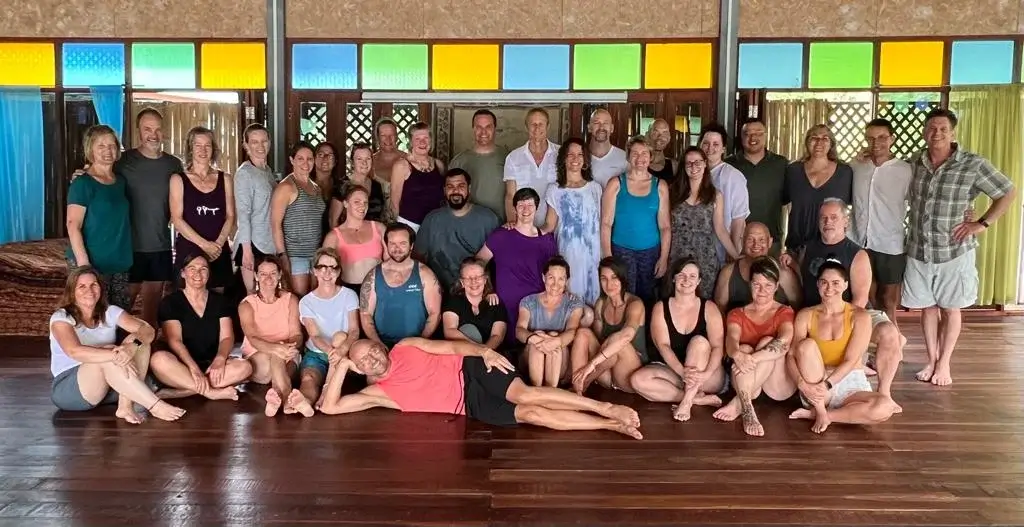
Til brings a gentle, precise touch and decades of experience as a structural integration educator. I have taken several in-person courses with him, including an immersive experience in Thailand, plus numerous online courses through Advanced Trainings. Visit site
Go deeper
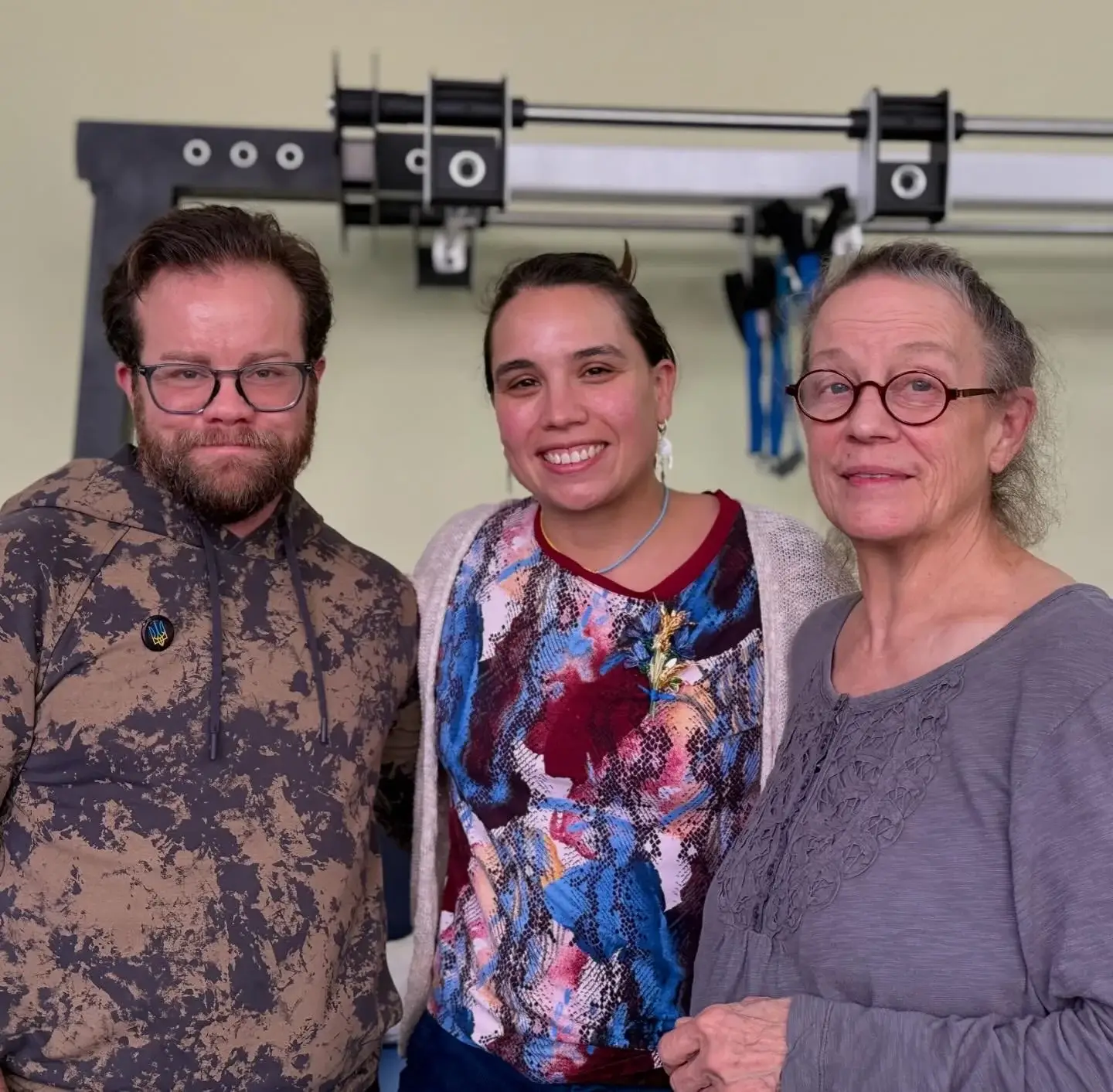
Sharon is one of the foremost authorities on working with bone fascia and cranial tension. I spent over 60 hours with Sharon in Maine studying her advanced techniques for the skull and skeletal system. Visit site
Go deeper
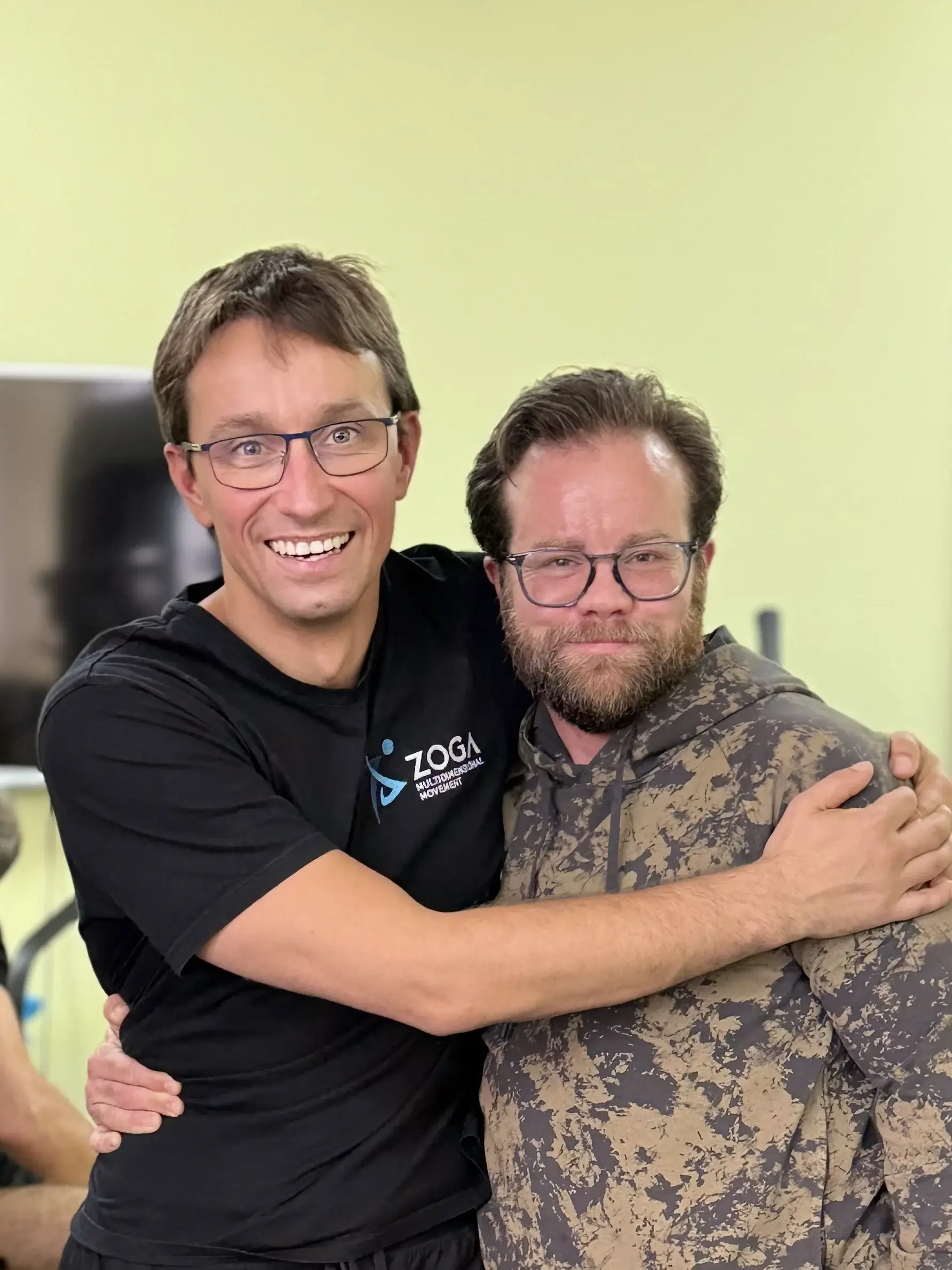
Wojtek bridges structural integration and movement in a unique way. I have spent countless hours with him learning specialized techniques, precise hand placement, and structural integration through movement. Visit site
Who the series is for
A strong fit if
- You are ready to commit to twelve sessions over three to four months
- You want lasting structural change, not temporary symptom relief
- You have chronic pain, postural compensation, or old injury patterns
- You are willing to do light between-session movement work
- You want a systematic protocol, not a grab-bag of techniques
Not the right call if
- You are looking for a quick fix or a single-session reset
- You cannot commit to weekly sessions over the series length
- You are in acute injury needing medical clearance first
- You want passive bodywork without any participation
Asked before every first session
What should I wear?
Work is done in underwear. For comfort, bring a two-piece swimsuit, sports bra with shorts, or boxer briefs. Your comfort matters. If you have questions, just ask.
Are sessions painful?
It depends on what we are working on. You will be asked to move during the session to help the tissue reorganize. Occasionally it is useful to contact stored tension directly, but imposing pain is not part of this work. I keep you informed throughout.
Do you use lotion or oil?
No. Unlike massage, structural integration uses slow, specific manual pressure without lotion or oil. This allows more precise contact with the fascial layers.
How long are sessions?
Sessions 1 through 6 run 90 minutes and sessions 7 through 12 progress to 120 minutes, all at a flat rate. The session ends when the work is done, not when a clock says so.
What happens in a session?
We begin with a body reading, which we review together to plan the session. Most work is done on the table; some is done sitting or standing. Every session builds on the one before it.
Is session 3 really a good stopping point?
Yes. After session 3, the superficial layers of front, back, and sides have all been addressed. Many people experience noticeable change at this point. If you want to try the work before committing to the full series, stopping after 3 is a reasonable option.
“I'm a physical therapist. I absolutely recommend his work. The amount of training he has is leagues beyond what people think a personal trainer has.”
“Rock is an encyclopedia of anatomy knowledge with deep intuition on how to help people move through their physical challenges. The strength and comfort I've developed has exceeded my expectations.”
“Rock's manual therapy found and addressed tension I wasn't even aware was affecting my structure. He offered expert movement insight that lets me continue the work in my daily practice.”
Your page is still blank
Twenty minutes, no charge. Bring me the story about your body you'd most like to stop telling.