Fascia, tension, and lines of strain
Your neck hurts, so you get a neck massage. Feels better for a day, then it is back. Your hip is tight, so you stretch it. Temporary relief, then tight again. The problem is you are treating the symptom, not the system.
The problem is not that the treatment does not work. Your neck is not tight because there is something wrong with your neck. Your hip is not tight because there is something wrong with your hip. They are compensating for strain patterns running through your entire structure.
This is about fascia, the connective tissue that wraps everything in your body like a 3D web. Fascia does not respect body part boundaries. It runs in continuous lines from head to toe. Tension in one area pulls on everything connected to it. That is why isolated treatment often fails.
What fascia actually is (simple version)
Fascia is connective tissue. It wraps around every muscle, bone, nerve, and organ in your body. Think of it like the white stuff you see when you pull apart a piece of raw chicken. That is fascia.
When fascia is healthy and hydrated, it is slippery and allows smooth movement. Muscles can slide past each other. Joints can move freely. But when fascia gets restricted, dense, or adhered from injury, poor posture, chronic stress, or protective patterns, everything changes.
Restricted fascia creates drag. It limits range of motion. It transmits tension through the system. It changes how forces distribute through your body. And because fascia is one continuous network, restriction in one area affects movement everywhere.
Why strain travels: fascial continuities
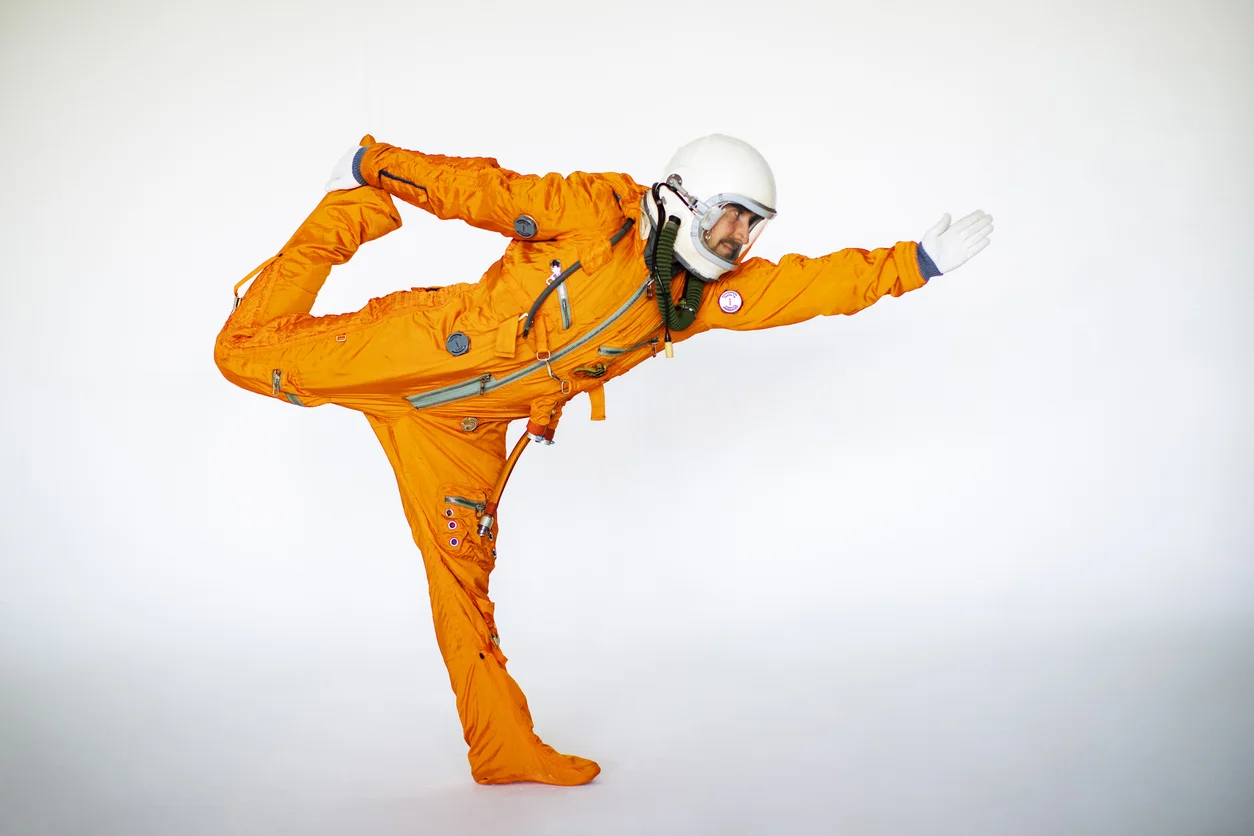
Tom Myers, who I trained under, mapped out what he calls "Anatomy Trains," continuous lines of fascia that run through your body like railroad tracks. There is a line that runs from the soles of your feet, up the backs of your legs, along your spine, over your skull, and down to your eyebrows. Another spirals around your torso like a double helix. These are not separate pieces. They are one continuous fabric.
Forward head posture does not just affect your neck. It pulls on the fascia running down your back, affecting your ribcage, your lower back, even your hips and feet. Everything is connected through these fascial lines.
This is why your shoulder pain might require working on your hip. Why your knee issues might need foot and back work. The pain shows up where the system is losing the fight, but the pattern lives in the whole structure. Addressing one spot misses the pattern.
The forward head cascade
Head tilts forward (computer work, phone use), neck muscles compensate, shoulders round forward, chest collapses, breathing becomes shallow, ribcage gets stuck, lower back compensates, hips tilt, knees track poorly. One pattern, multiple symptoms.
The hip spiral
One hip rotates (old injury, favoring, protective pattern), pelvis tilts, spine curves to compensate, ribcage shifts, one shoulder elevates, neck sidebends, jaw compensates. Your TMJ pain might be about your hip rotation that started years ago.
The locked core
Core braces (stress, trauma, or "sucking it in"), ribcage cannot expand, breath stays shallow, diaphragm stops moving, hip flexors tighten, lower back compensates, shoulders elevate to assist breathing. The pattern creates a cascade of restrictions.
Why stretching one spot fails
You stretch your tight hamstrings religiously. They are still tight. Here is why. Your hamstrings are not the problem. They are compensating for something else. Maybe your pelvis is tilted. Maybe your lower back is restricted. Maybe your feet are not moving properly. The hamstrings are doing extra work to stabilize a system that is not balanced.
Stretching a compensating muscle can actually make things worse. You are trying to lengthen tissue that is working overtime to hold your structure together. The muscle fights back because if it lets go, the whole system becomes unstable. That is why you can stretch forever and nothing changes. You are addressing a symptom while the pattern remains intact.
This is why chronic pain requires addressing the pattern, not just chasing symptoms around your body.
Why whole-body structural integration works
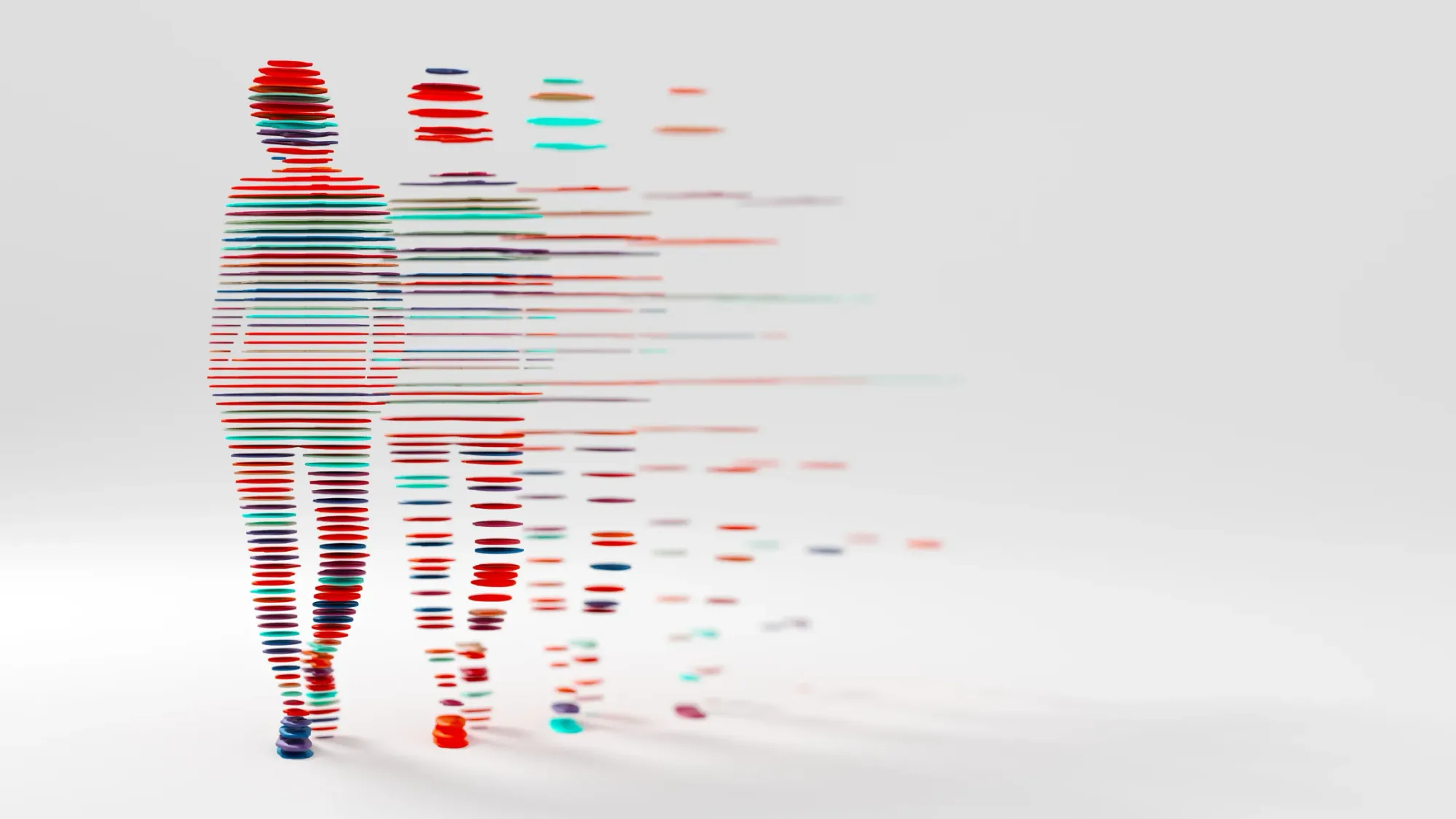
Structural Integration works with the entire fascial system, not isolated parts. We release restrictions throughout the lines of strain that are creating pull and compensation. We balance the structure so no single area is doing more than its share. We reorganize the whole system around better alignment.
This is systematic work. We do not just go to "where it hurts." We address the superficial layers first, then deeper layers, then integration. We work with the front line, back line, lateral line, spiral line, arm lines, each building on the work before. By the end of a series, your entire fascial system has been addressed and reorganized.
That is why the changes last. We are not creating temporary relief. We are changing the structural organization that was creating the problem. Your body reorganizes around better balance. The compensations that were causing pain are no longer necessary.