Chronic pain when nothing works
Symptoms are outputs. They are your body's response to something upstream. If you only treat outputs, they keep regenerating because the input has not changed.
You have tried everything. Physical therapy. Massage. Chiropractic. Acupuncture. Doctors, specialists, MRIs. Maybe you got temporary relief. Maybe nothing helped at all. Either way, the pain is still there. And you are starting to wonder if you will just have to live with it.
Here is what might be happening. Every treatment you have tried addressed the symptom. The tight muscle. The misaligned joint. The inflamed tissue.
The missing link might be pattern. How you move. How you hold yourself. How you compensate for old injuries or restrictions. These patterns create the conditions that generate symptoms. Address the pattern, and symptoms often resolve naturally. Keep treating symptoms without addressing pattern, and you will chase pain forever.
Frustrations you might recognize
"It feels better for a few days, then comes back."
This is classic symptom chasing. The treatment releases tension or adjusts alignment. You feel better. Then your pattern recreates the problem. The massage therapist released your tight shoulders. But you still hunch over your computer. The tightness returns. The chiropractic adjustment realigned your spine. But your hips are still uneven. The misalignment returns.
"The pain just moves around."
Your neck hurt, then your shoulder, now your hip. This is your body playing whack-a-mole with compensation. You treat one symptom, your body shifts the load elsewhere, that area starts hurting. The symptoms migrate because the underlying pattern driving them has not changed. Your body is still unbalanced, still compensating, just doing it through different areas now.
"Tests show nothing wrong."
MRIs, X-rays, blood work, all normal. Doctors say there is nothing structurally wrong. But you are in pain. This frustrates people and sometimes makes them feel dismissed or like they are imagining it. You are not. The pain is real. But it is not from tissue damage. It is from pattern. From how your body is organized and moving. Medical imaging does not capture patterns. It captures pathology. If there is no pathology, you need someone who works with patterns.
"I have tried strengthening but it makes it worse."
You followed the "strengthen your core" or "strengthen your glutes" advice. The pain got worse or did not change. That is because you are strengthening a compensation. When you strengthen dysfunction, you just get stronger at being dysfunctional. You need to change the pattern first, then build strength in better organization.

Symptom chasing vs. system change
Symptom chasing treats where it hurts. System change addresses why it hurts. Here is the difference:
Symptom chasing
- Works where it hurts
- Treats the victim
- Relief is temporary
- Symptom often returns
- Requires ongoing treatment
System change
- Works where the pattern lives
- Treats the cause
- Change is lasting
- Pattern resolves, symptom goes away
- Creates independence
Most chronic pain treatment is symptom chasing. Not because providers are bad, but because the healthcare system is set up for it. Insurance covers symptoms, not patterns. Appointments are too short for system assessment. The model is designed for acute problems, not chronic patterns. That is why people get stuck in the loop.
Why relief is temporary without pattern change
Imagine you have a rock in your shoe. Your foot hurts. Someone gives you a painkiller. The pain goes away temporarily. But the rock is still there. Eventually, the pain comes back. That is symptom treatment without addressing cause.
Now imagine the rock is a movement pattern. Your hips do not extend fully when you walk. Your lower back compensates by moving more than it should. It hurts. You get massage. The muscles release. Pain decreases. But you still walk the same way. Your hips still do not extend. Your back still compensates. The pain returns.
Remove the rock (change the pattern), and the pain does not come back. That is the difference. Learn more about how patterns create pain.
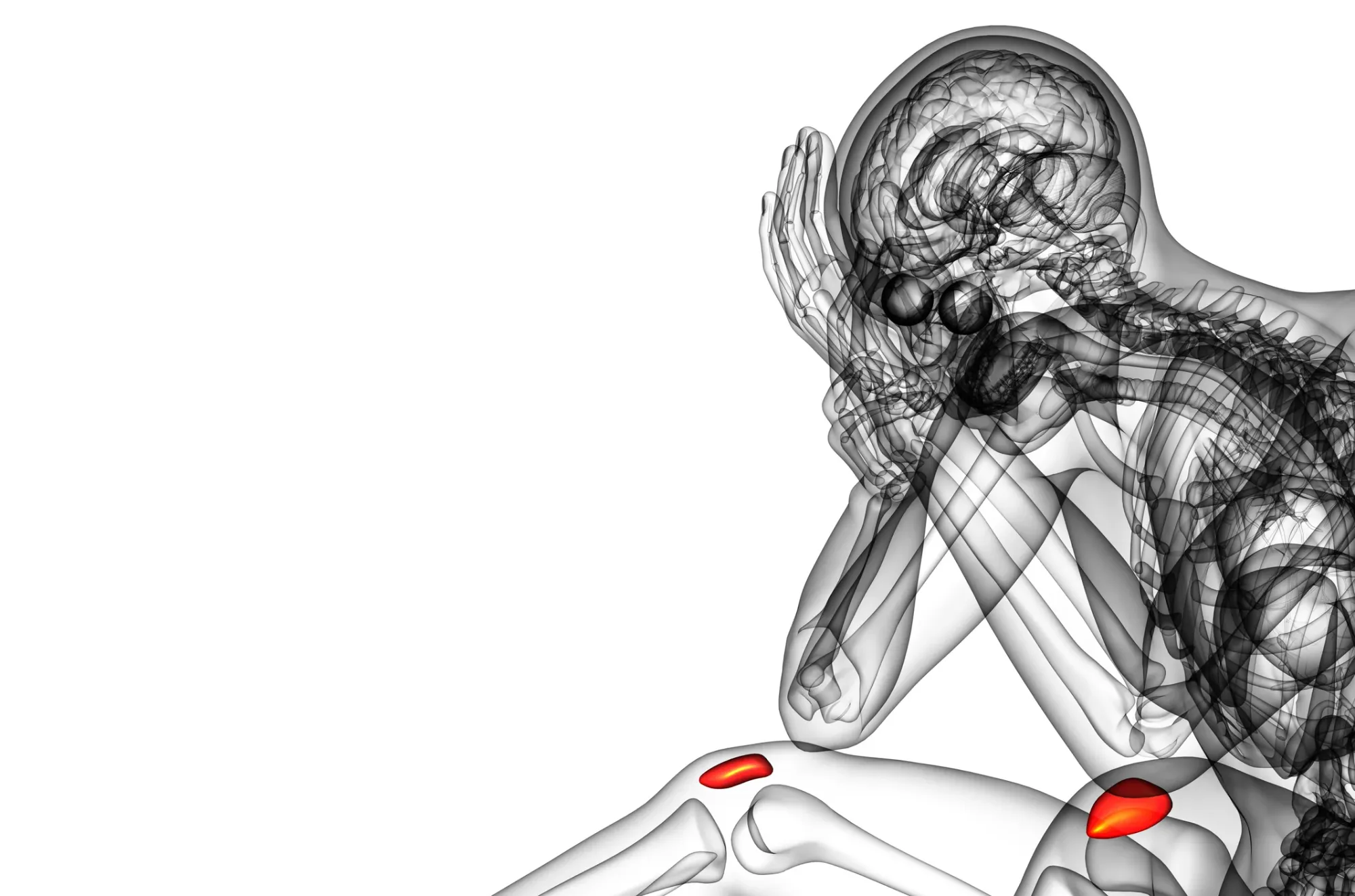
How we address pattern, not just pain
We start with comprehensive assessment. Not just "where does it hurt?" but "how does your whole body organize? Where are you compensating? What patterns are creating load in areas that are breaking down?" This takes time. An hour minimum. You cannot assess patterns in 15 minutes.
Then we address the pattern systematically through Structural Integration and Movement Education. We release the fascial restrictions. We reorganize your structure. We teach you to move differently. This is not a quick fix. It is systematic reorganization.
The timeline varies. Some people feel significant change in 3 to 6 sessions. Others need 8 to 12 for deeper patterns. But the change, when it happens, tends to last because we addressed the system, not just the symptom. Your body does not need to generate the pain anymore because the condition creating it no longer exists.