Movement education: not just a workout
Most fitness is about output. Movement education is about input too. We do real workouts, but the priority is how well you are moving, how efficiently, and whether your body can do this without pain or compensation.
How much weight. How many reps. How many calories burned. How hard can you push. Movement education is different. We still do the exercises. But they are not just about reps. The priority is excellent form, muscle activation, and alignment.
This is not less rigorous. It is more rigorous. It requires attention, precision, and patience. But it builds something chasing output alone cannot: the skill of moving well. And that skill protects you from injury, reduces chronic pain, and allows you to keep moving for life.
Think of it as movement literacy. Just like reading is a foundational skill that lets you learn anything, good movement is a foundational skill that lets you do anything physically without breaking down.
Movement as literacy, not just exercise
You learned to read by starting with letters, then words, then sentences. You did not jump straight to novels. Movement works the same way. There are foundational patterns your body needs to know before you can safely load them with weight or speed.
Can you hinge at your hips without rounding your back? Can you squat without your knees caving in? Can you reach overhead without arching your lower back? These are not "exercises." They are fundamental movement patterns. If you cannot do them well, loading them creates problems.
Most people skip the literacy phase and jump straight to workouts. They learn to move with compensation, then reinforce that compensation through repetition. They get stronger in dysfunction. Then they wonder why they hurt. Movement education goes back to basics and builds the skill properly.
Most human movement comes down to a few basic patterns. Master these, and everything else becomes accessible:
- Squat: how you get up and down. Picking things up. Sitting. Playing with kids. Getting off the floor.
- Hinge: how you bend. Lifting objects. Deadlifts. Any forward bend without rounding your back.
- Lunge: how you move in space. Walking upstairs. Getting out of a car. Split-stance movements.
- Push: pushing things away. Getting up from the ground. Overhead reach.
- Pull: pulling things toward you. Opening doors. Picking things up. Postural support.
- Carry: moving through space with load. Groceries. Luggage. Kids. Maintaining posture under load.
- Rotation: twisting. Throwing. Swinging. Reaching across your body. Most sports.
We assess how you do these patterns, identify where you compensate, and teach you to do them better. Not more. Not harder. Better.
Efficiency and durability: movement that lasts
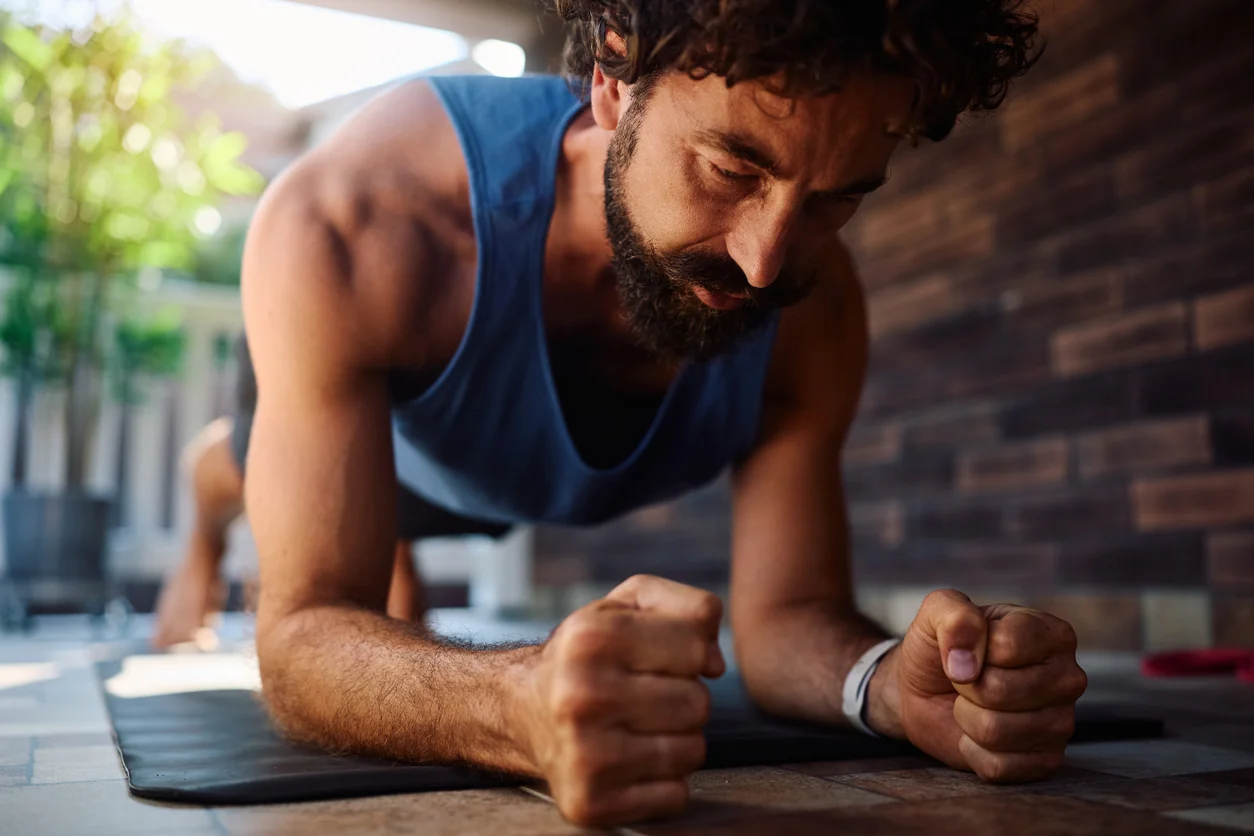
Efficient movement uses less energy, creates less wear, and feels easier. When you move efficiently, the right muscles fire in the right sequence. Force distributes evenly. Your joints track properly. You can do the movement repeatedly without breaking down.
Inefficient movement is expensive. It requires excessive muscular effort. It creates uneven joint wear. It fatigues quickly. And it accumulates into pain and injury over time. You might be able to power through inefficient movement when you are young. But eventually, the bill comes due.
Movement education builds efficiency. We slow things down, pay attention to quality, and practice until efficient movement becomes automatic. This is not about being perfect. It is about being sustainable. Building movement patterns you can use for decades, not just until your next injury.
Strength without strain
You can get strong in dysfunction. People do it all the time. They learn to squat with their knees caving in. They learn to deadlift by rounding their back. They learn to press overhead by arching their lower back. They get stronger, but they are reinforcing patterns that will eventually cause injury.
Strength without strain means building strength in patterns that support your body, not stress it. We establish good alignment first, then add load. We make sure the right muscles are working, not just that you can move the weight. We prioritize movement quality over performance metrics.
Take the squat. Most people drive it with their quads and call it done. We get every muscle involved. Pushing the feet into the ground wakes up the deep front line from the arches up through the inner legs into the pelvic floor, deep core, and diaphragm. The whole system shares the load. Same movement from the outside, far more support from the inside. That is strength, not tension.
This approach prevents injuries, reduces pain, and creates strength that serves your life. You are not just strong. You are strong in ways that protect your joints, support your posture, and allow you to keep moving as you age. That is the difference between building capacity and building problems.
How we coach movement
Movement education is not about me counting your reps or yelling motivation. It is about you developing awareness and skill. Here is what that looks like:
- We assess your current patterns and identify where you compensate
- We break movements down to foundational components
- We practice slowly with attention to quality, not quantity
- I give real-time feedback on what I am seeing
- We progress gradually, building skill before adding challenge
- You learn what good movement feels like so you can replicate it independently
The goal is not dependence. It is competence. I am teaching you to understand your body and move well on your own. Some people work with me long-term because they value the accountability and feedback. Others do a focused series and continue independently. Both paths work.
Examples of repatterning work
Teaching hip hinge for back pain
You have been bending by rounding your back. Your lower back hurts. We teach you to hinge from your hips instead. This is not about flexibility. It is about pattern. Your back stops taking load it was not designed for. Your hips start doing the job they are built for. The back pain resolves not from treatment, but from better movement.
Reorganizing shoulder patterns
You reach overhead by arching your lower back and shrugging your shoulders. Your neck and shoulders hurt. We teach you to stabilize your ribcage and move from your shoulder blade. Your lower back stops compensating. Your neck stops overworking. Movement becomes easier and pain-free.
Rebuilding walking patterns
You walk with limited hip extension, shuffling steps, and forward lean. This creates knee pain, hip pain, and back pain. We restore hip mobility through structural work, then teach you to walk using your hips properly. Your gait changes. The pain resolves. Movement becomes efficient again.