Pain is not the problem, it is the alarm
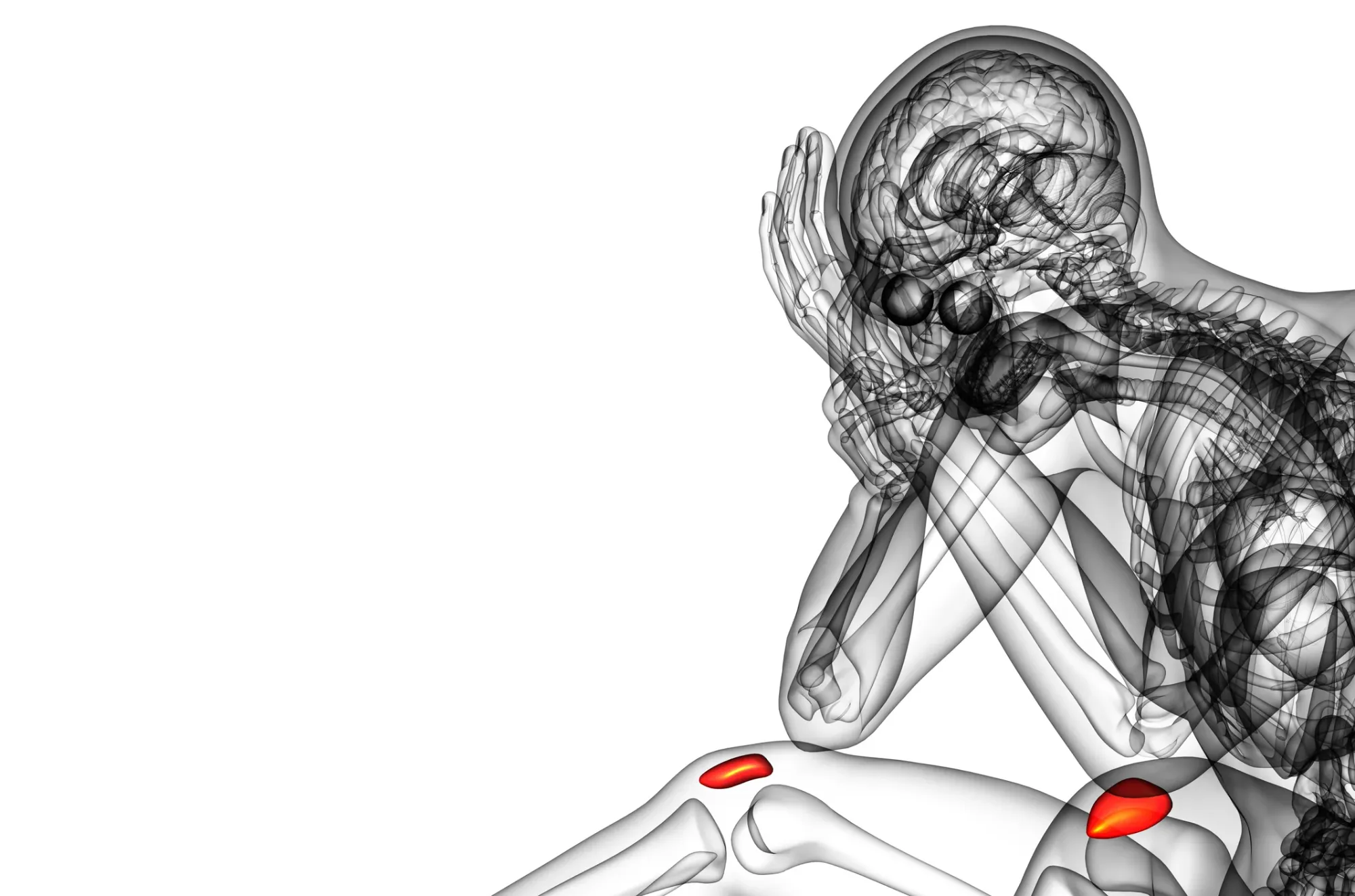
Most chronic pain is not from tissue damage. It is from pattern. How you move, how you hold yourself, how you compensate.
We have been taught to silence the alarm instead of addressing what triggered it. Take a pill. Ice it. Push through. The pain might quiet temporarily, but the underlying pattern remains.
These patterns create friction, uneven load, and excessive wear. Your body sends pain as feedback: "This is not working. Change something."
Why pain shows up where you "lose the fight"
Pain rarely shows up where the problem started. It shows up where your body cannot compensate anymore. Your neck hurts not because there is something wrong with your neck, but because it has been working overtime to hold up a forward-tilted head for years. Eventually, it fatigues.
Your lower back hurts not because you "have a bad back," but because it has been compensating for restricted hips, tight hamstrings, or a collapsed ribcage. It has held you together for years, but now it is exhausted. The pain is the signal that compensation has exceeded capacity.
Your knee hurts not because of the knee itself, but because your foot is not tracking properly, your hip is rotated, or your pelvis is tilted. The knee is caught in the middle, taking uneven load every time you move. Eventually, that creates pain.
This is why treating the pain site often fails. You are addressing the victim, not the cause. Learn more about how fascial lines create compensation patterns throughout your body.

Common examples of pattern creating pain
Neck pain from computer work
Your head tilts forward to see the screen. Your neck muscles work constantly to hold it there. Over time, they fatigue and ache. The pain is not from damage. It is from sustained load. The pattern (forward head) creates the wear. Massaging your neck might feel good temporarily, but it does not change the pattern. Your head still tilts forward. The neck pain returns.
Lower back pain from hip restriction
Your hips are tight or restricted (from sitting, old injury, protective pattern). Your lower back compensates by moving more than it should. It takes on the mobility your hips are not providing. Over time, this creates pain. Strengthening your back will not address it. Stretching your back will not address it. Your hips are the problem. Your back is the victim.
Shoulder pain from chest collapse
Your chest is collapsed (from protective posture, poor desk setup, or stress). Your shoulders round forward. Your rotator cuff muscles work constantly to hold your arm in the socket against this forward pull. Eventually, they get angry. The pain is in your shoulder, but the pattern is in your chest and ribcage organization.
Hip pain from weight shifting
You favor one leg (from old injury, habit, or protective pattern). One hip takes more load. Over months and years, it starts to hurt. But the hip is not broken. It has just been doing more work than it is designed for. The pattern (uneven weight distribution) creates the wear.
How patterns create friction and wear
Every movement pattern has a cost. When your pattern is efficient and balanced, the cost is low. Your joints track properly. Force distributes evenly. Muscles work in coordination. You can move for years without pain.
When your pattern is inefficient or compensatory, the cost is high. Joints track poorly, creating uneven wear. Force concentrates in areas not designed to handle it. Muscles work against each other instead of together. Over time, this friction creates inflammation, irritation, and pain.
The pain is not random. It is predictable based on the pattern. If you always shift weight to your right leg, your right hip will eventually hurt. If you always round your shoulders forward, your neck will eventually ache. Your body is showing you where the pattern is creating excessive wear. The pain is information, not punishment.
What actually changes the alarm system
Your pain alarm system is smart. It is responding to real conditions in your body. To turn it off, you have to change those conditions. That means:
- Release the fascial restrictions creating drag and load through Structural Integration
- Reorganize your structure so load distributes evenly instead of concentrating in victim areas
- Teach new movement patterns through Movement Education so you do not recreate the old pattern
- Address nervous system dysregulation so your body is not maintaining tension through threat response
- Build capacity in areas that have been weak or underused
When you address the system, not just the symptom, pain resolves naturally. Not because you have powered through or numbed it, but because the conditions creating it no longer exist. Your body does not need the alarm anymore.