Structural integration for cyclists
Hip flexors that lock after long days in the saddle. A lower back that screams at hour two. Neck and upper traps that knot up from the drops. One fascial pattern, not three injuries. That is the work.
The off-season window
Whenever the big rides are done for the year, the window is open. Your body has the bandwidth for structural change instead of maintenance. Twelve sessions, eight to twelve weeks, then you head into the new season with hips, back, and neck that have done deeper work than rest alone delivers.

What is actually restricting you
Three patterns show up in nearly every road cyclist I assess:
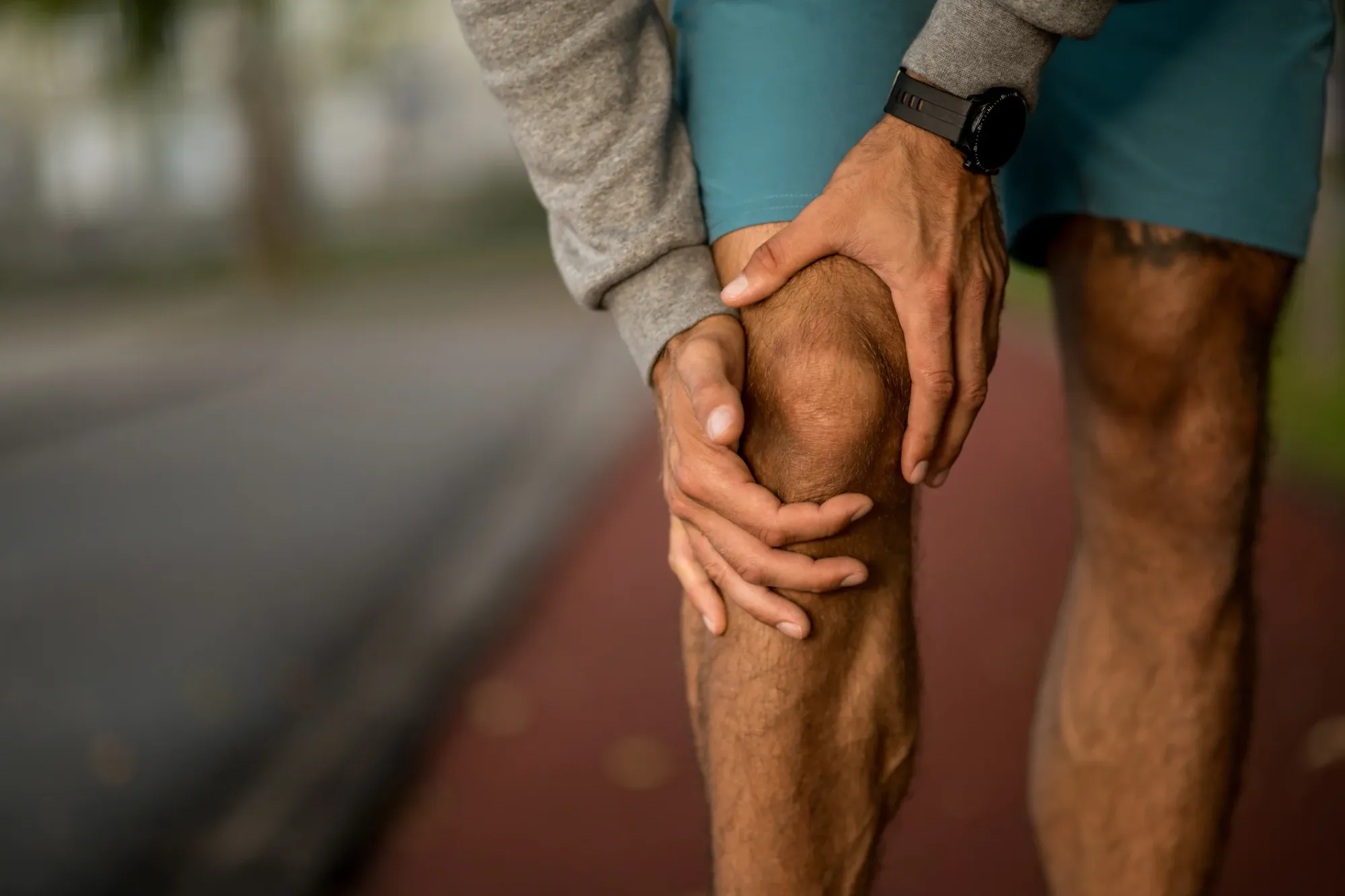
- Anterior pelvic tilt. Hours in the saddle keep the psoas and deep front line short. The pelvis tips forward. The lumbar facets jam. Hour two on a long ride, that becomes pain.
- Hamstring and posterior chain shortening. The superficial back line works hard on the pedal stroke but never gets through full hip extension. Range narrows. Off the bike, the hamstrings feel locked.
- Drop-bar neck. Head up in the drops pins the suboccipitals, upper trap, and superficial back arm line in extension. By the end of a long ride your neck feels like a knot of cable.
Stretching softens the surface. Structural integration reorganizes the chain.
The 12-session ATSI series
The series is a project, not a subscription. Twelve sessions, structured in three phases:
- Sessions 1 to 4 (Sleeve). Open the superficial layers. Free the surface lines. Restore the breath. By session four most riders report the position feels less locked.
- Sessions 5 to 8 (Core). Work into the deep front line, the psoas, the diaphragm. This is where anterior pelvic tilt actually unwinds.
- Sessions 9 to 12 (Integration). Refine rotation and pedal mechanics. Lock the new organization in before the season starts.
Full program detail lives on the 12-Session Series page.
Where this fits in your recovery stack
- Massage releases tension locally. Useful after big rides.
- PT rehabs a specific injury. Useful when something is acutely wrong.
- Chiropractic adjusts joints. Useful for joint-by-joint complaints.
- ATSI reorganizes the fascial system so your body needs the others less often.
It is not better. It is different. Most serious cyclists use all four.
Credentials
- ATSI-certified, 750+ hours of training
- Anatomy Trains teacher-in-training under Tom Myers
- Santa Cruz studio. Mobile sessions throughout the Bay Area.
- Working with cyclists, triathletes, mountain bikers, and runners since 2015

Book a free 30-minute movement assessment
I will watch you move, ask the questions that matter, and tell you honestly whether the 12-session series makes sense for what you are after. No pitch.
Questions, answered
My lower back kills me after rides over two hours. Is that fixable?
Almost always. Most long-ride lumbar pain is the hip flexors being forced to stay short in the aero position while the glutes are asked to produce power. Short hip flexors pull the pelvis into anterior tilt, which jams the lumbar facets. The fix is restoring hip extension off the bike and reorganizing the deep front line so the back stops being the relief valve. Bike fit matters too, but usually less than the underlying mobility.
Can structural work actually help neck and upper-trap pain from drop bars?
Yes. Hours in the hoods or drops with the head up loads the suboccipitals, upper trap, and the superficial back arm line. The fascia behind your head and across your shoulders tightens to hold the position. Releasing the chain through the upper back and arms tends to drop the constant low-grade ache that road cyclists describe.
I am told I have anterior pelvic tilt. Will the series fix it?
Anterior pelvic tilt is mostly a soft-tissue pattern, not a bony one. Tight hip flexors and a chronically short deep front line pull the pelvis forward. Lengthen the chain, restore extension, retrain the glutes to hold position, and the pelvis stops living in tilt. The 12-session series is designed for exactly this kind of system-level pattern.
I race. I do not want to lose power on the bike.
You will not. This work does not stretch you into noodle territory. It reorganizes how force transmits through your structure. Most riders report feeling more grounded on the saddle, not less. Power output stays the same or improves because the energy stops bleeding into compensation.
Can I keep training during the series?
Yes. Most cyclists train through the work. We time deeper sessions away from race weekends and your hardest training blocks.