Case studies
Published case studies are how the work earns trust. Below is the protocol the cases are built on, the report format every athlete receives, and an honest status on what is published today versus what is being captured.
Honest status
The capture protocol is finalized. The Sprintbok is in the studio. The first case is being captured: my own gait, run end-to-end under the same protocol I run on clients. That publishes first as a transparency baseline. Client case studies follow as athletes complete the 12-session series under the protocol and consent to publication.
I would rather show you the protocol and a self-sample than fake a portfolio. The cases will accrue. The methodology already exists.
The capture protocol
Same protocol every athlete, every assessment. Consistency is what makes the cases comparable over time.
Pre-run
- Athlete in fitted athletic wear so mechanics are visible.
- Reference markers placed: greater trochanter, lateral knee, lateral malleolus for the sagittal view; PSIS bilaterally for the posterior view.
- Three-minute warmup at conversational pace before any capture.
Capture sequence (15 minutes total)
- 90 seconds at easy aerobic pace, sagittal view.
- 90 seconds at threshold pace, sagittal view.
- 60 seconds at easy pace, posterior view.
- 60 seconds at threshold pace, posterior view.
- 30 seconds at all-out effort, both views (when posterior camera is available).
Post-capture
- Files named with athlete ID, date, session number, view, and pace.
- Stored in encrypted folders, not consumer cloud unless encrypted.
- Original raw plus annotated export both retained.
- Frame-by-frame analysis covers cadence, foot strike, pelvic stability, thoracic counter-rotation, asymmetry, and trunk position under load.
What the Sprintbok exposes
- Self-propelled. No motor pacing you. The belt only moves when your mechanics drive it. Inefficient mechanics show up immediately as effort cost.
- Curved deck. Closer to outdoor running mechanics than any motorized treadmill, and biases the foot toward midfoot or forefoot strike. Heel-striking is visibly inefficient on the belt.
- Same equipment as Olympic training centers and elite performance labs. Built for gait assessment, not for cardio class.
Equipment: Nohrd Sprintbok.
What a published case study contains
Every published study uses the same structure so they can be read against each other:
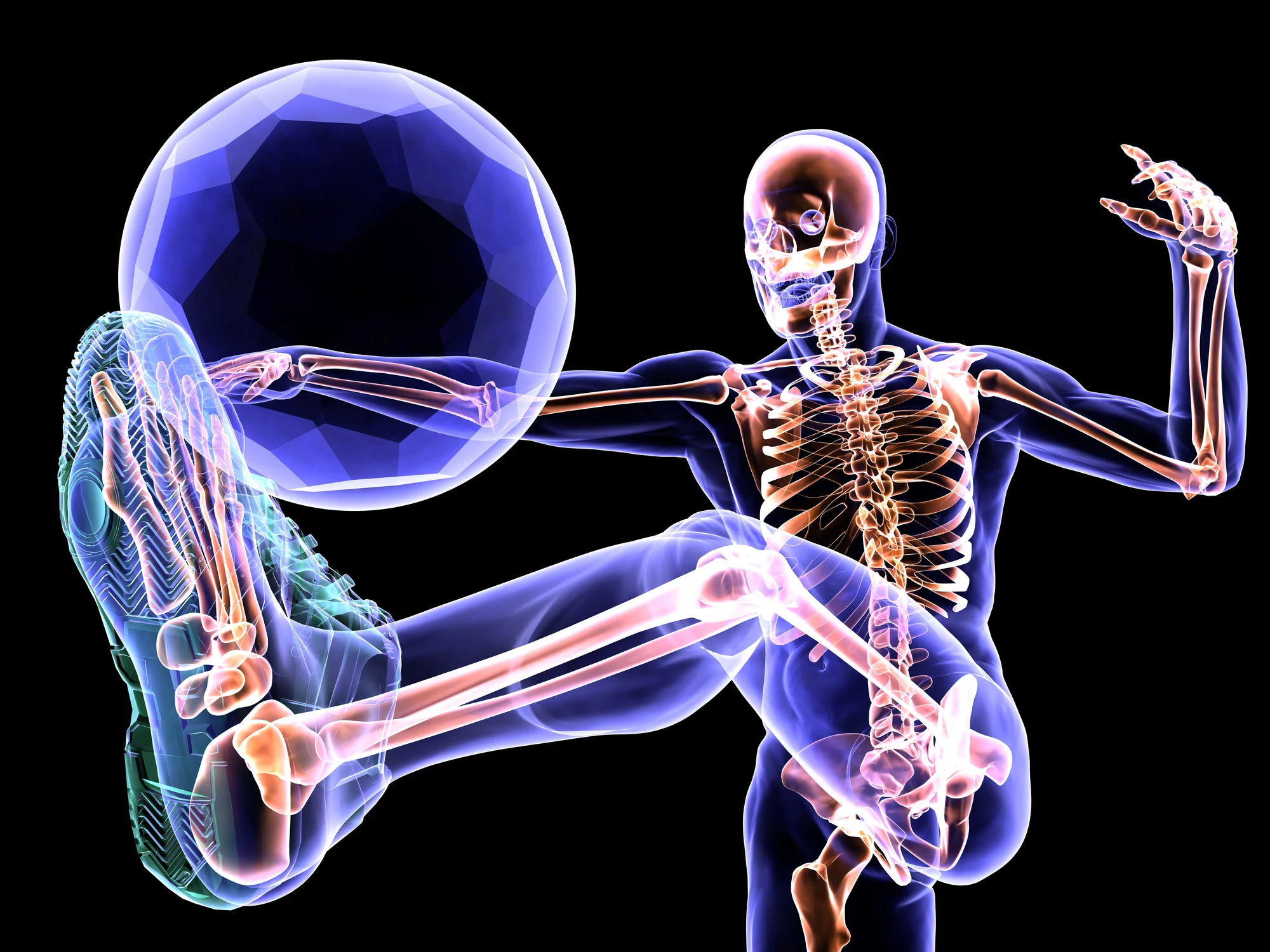
Samples in capture
Gait analysis samples
First case studies in capture. Practitioner self-sample publishing first.
Consent and privacy
No video, image, or identifying detail is published without written consent. Athletes choose anonymized pseudonym, sport-and-position-only, or named publication. Consent is per-case and revocable. Internal capture and analysis without any publication is the default and the most common option.
Video is stored off consumer cloud. Published clips are served from a private CDN with signed URLs, not YouTube or other public hosts. Raw files are available to the athlete and to any practitioner they designate on request.
Want your assessment shared with your coach
Whether or not your case is ever published, the gait video and written report are yours. I send them to anyone you name. The report is built to be useful to other clinicians, not just to you.
Be one of the first
If the protocol is a fit for what you are working on, we will discuss whether you want to be one of the first published studies at your assessment. There is no fee for publication. Sessions are billed normally.
Questions, answered
Are there published case studies yet?
Not yet. The practitioner self-sample publishes first, and client studies follow as athletes complete the series.
How is consent handled?
Nothing is published without written, per-case, revocable consent, and internal capture without publication is the default.
Where is the video stored?
Originals and annotated exports live in encrypted storage off consumer cloud.
Can I get my gait report sent to my coach or PT?
Yes. With your consent I send the annotated video and written report to anyone you name: coach, PT, ATC, S&C, sports medicine MD.
How do I become one of the first published cases?
Book a free 30-minute movement assessment and we will take it from there.