Stretching is not working: try actual mobility
You stretch every day. Foam roll religiously. Maybe even do yoga. But you are still tight. Cannot squat deep. Struggle with overhead positions. Feel restricted in your movement.
That is because flexibility and mobility are not the same thing. You can be flexible (passive range of motion) but not mobile (active, usable range of motion with control).
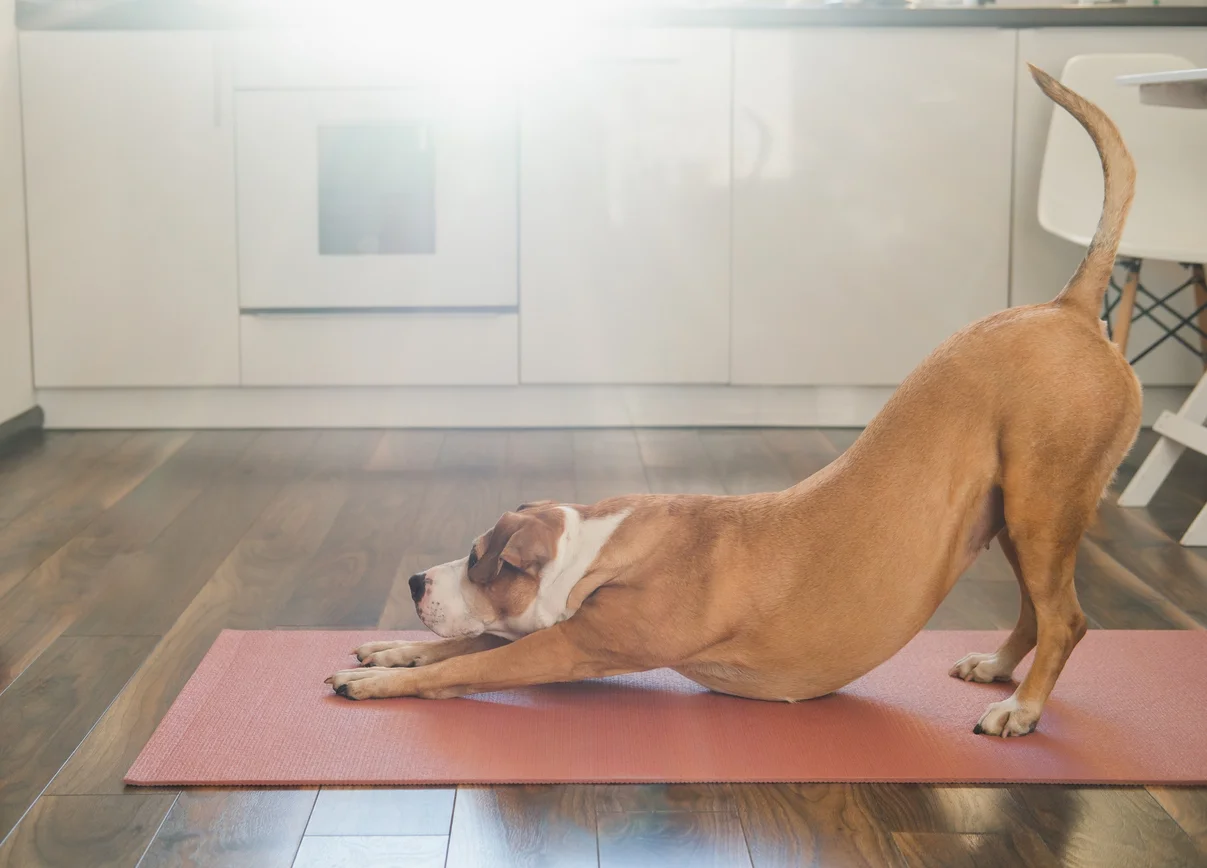
Flexibility vs. mobility
- How far you can stretch
- Requires external force
- Often does not transfer to movement
- Can actually create instability
- Example: touching your toes in a stretch
- Range you can control
- Generated by your muscles
- Directly improves function
- Builds stability in range
- Example: deep squat with control
What limits mobility?
Fascial restrictions
Tight, dense fascia physically limits how far joints can move. No amount of stretching fully addresses this. You need hands-on fascial work to create lasting change in tissue quality.
Motor control issues
Your nervous system might not know how to access or control certain ranges. You have the physical capacity, but not the neurological control. This requires motor learning, not stretching.
Weakness in range
Your body restricts ranges where you are weak. If you cannot produce force in a position, your nervous system will not let you go there. You need to build strength through full ranges.
Joint restrictions
Sometimes joints themselves do not move properly due to capsular tightness or poor positioning. This needs specific joint mobilization, not muscle stretching.
Movement pattern issues
You might have the mobility but not know how to use it in actual movement. You need to integrate new ranges into functional patterns.
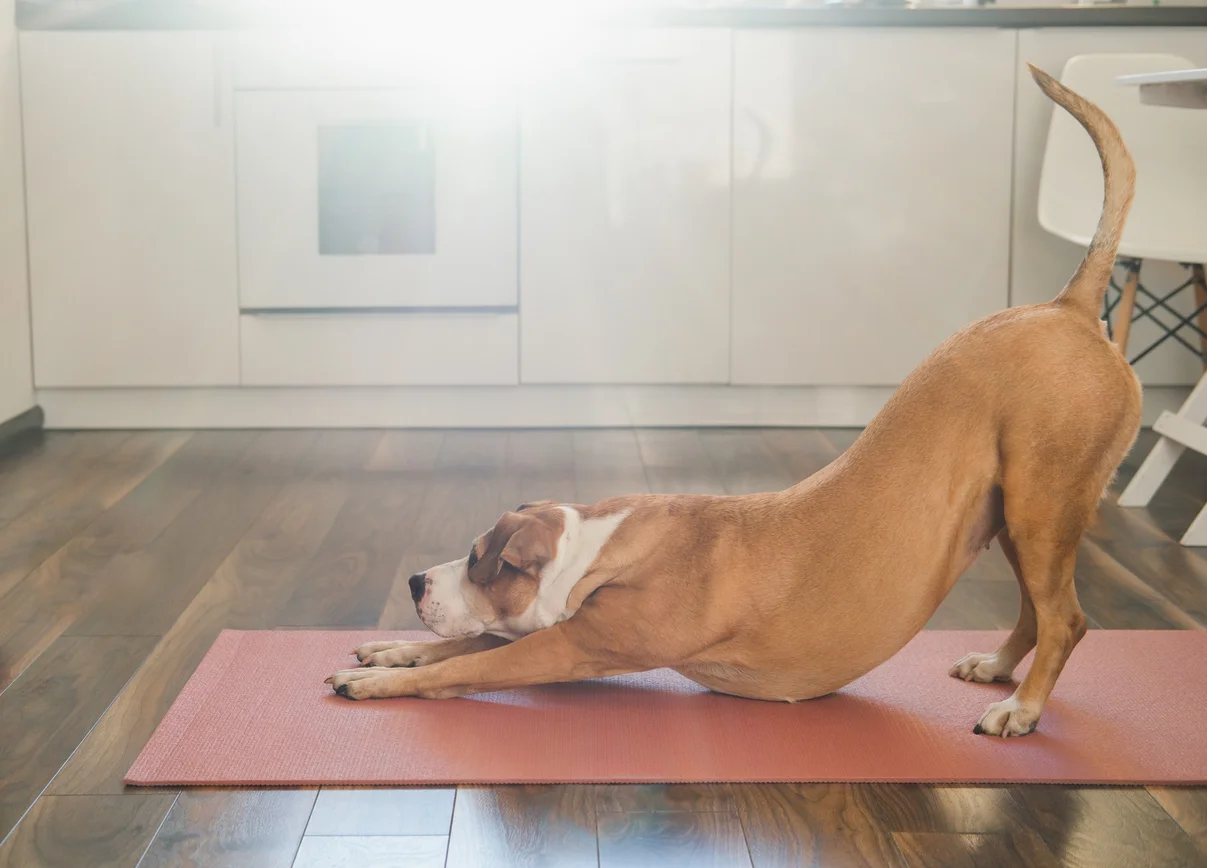
My approach to mobility training
1. Release restrictions (Structural Integration)
- Address actual physical limitations
- Create space in joints
- Restore natural movement capacity
2. Build control (movement training)
- Controlled articular rotations (CARs)
- Progressive angular isometrics (PAILs and RAILs)
- Eccentric training in new ranges
- Kinstretch and FRC principles
- Active mobility drills
3. Integrate into movement
- Practice using new ranges in real patterns
- Train transitions between positions
- Build strength through full ROM
- Make mobility functional, not just impressive
Key areas we work on
Essential for squatting, running, and walking. Most people have severely limited dorsiflexion.
Tight calves, restricted joint capsule, poor foot mechanics.
Critical for everything. Flexion, extension, internal and external rotation.
Tight hip flexors, restricted capsule, weak glutes.
Needed for throwing, swinging, turning. Most people are locked up here.
Stiff mid-back, poor rib mobility, desk posture.
Overhead range, internal and external rotation for reaching and lifting.
Tight chest, restricted capsule, poor scapular control.
Flexion, extension, lateral flexion, rotation. Your spine should move.
Stiff back, fear of movement, protective patterns.
Often forgotten but crucial for pressing, gripping, weight-bearing.
Tight forearms, desk work, lack of varied hand positions.

Who benefits from mobility training
- Athletes wanting better performance
- People feeling "tight" all the time
- Anyone with limited range of motion
- Desk workers with stiff bodies
- Aging adults losing mobility
- Post-injury rehab
- Anyone wanting to move better
- People frustrated with stretching
Results you can expect
Real mobility takes time to build (weeks to months, not days). But the changes are lasting because we are not just temporarily stretching, we are building actual motor control and tissue quality.
You will move better in daily life, perform better in your sport, and feel less restricted in your body. That is the goal.