Sports performance
Every athlete knows the frustration of hitting a plateau or the setback of recurring injuries. The missing piece is not more hours in the gym. It is addressing the structural and movement inefficiencies that limit your performance.
Unlock your athletic potential
You train hard, yet improvements seem elusive. You work on strength and conditioning, yet something still feels off.
At Rock Your Body, we approach athletic performance from a different angle. Rather than piling more training on top of dysfunctional patterns, we optimize your body's structure and movement quality first. When your body is properly aligned and moving efficiently, every ounce of strength and conditioning you build gets used effectively. You perform better with less effort and injury risk.
Our sports performance work combines Structural Integration to optimize your body's alignment and fascial system, with Movement Education to refine technique and eliminate compensations.
Why structure matters for performance
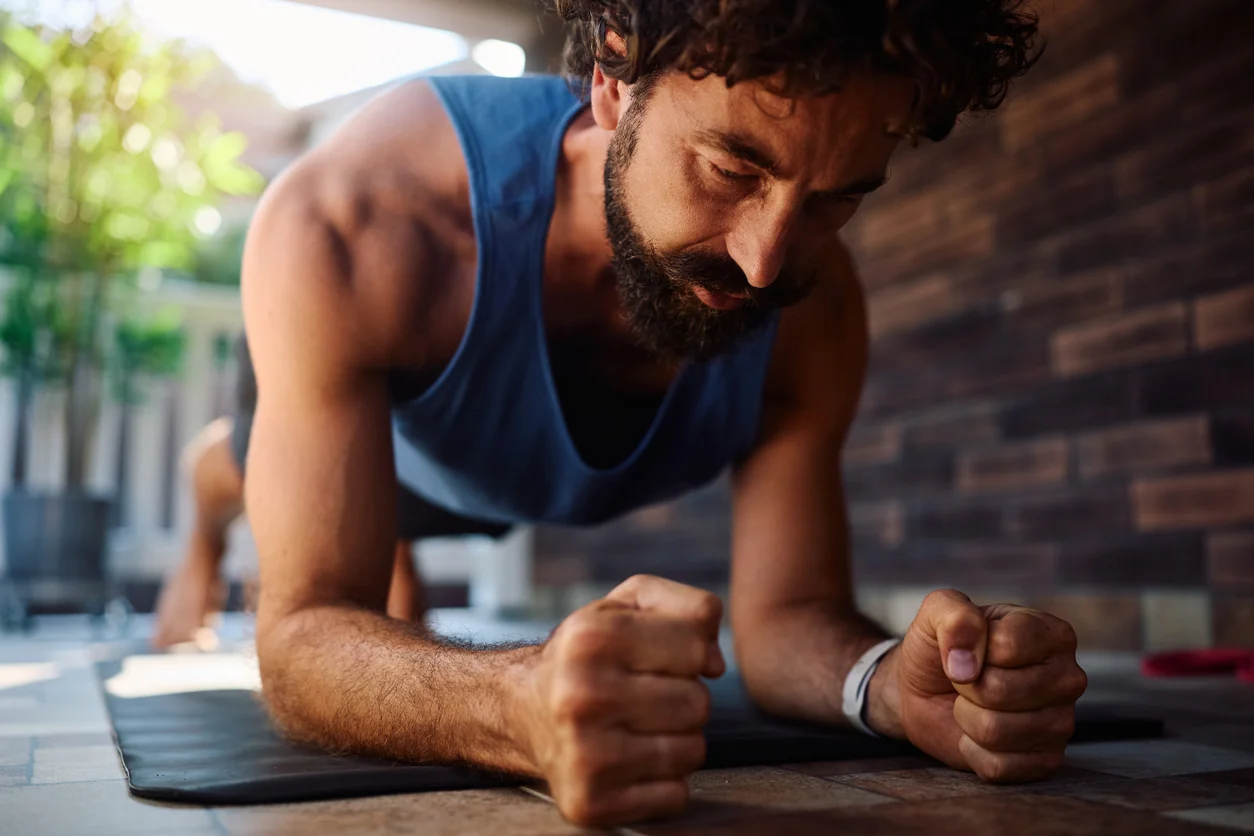
Athletic performance is not just about strength, endurance, or skill. It is about how efficiently your body can express those qualities. A misaligned structure creates friction, wastes energy, and increases injury risk. When your body is organized around better alignment, movement becomes more fluid, powerful, and sustainable.
Structural Integration releases the fascial restrictions that limit your range of motion, create asymmetries, and cause compensations. It reorganizes your body around better balance and alignment, so forces transfer cleanly through your structure. The result? More power, better control, and movements that feel easier and more natural.
Athletes often describe feeling "faster," "lighter," or "more connected" after structural work. They find movements that were previously difficult now come easily. They discover power they could not access before. This is not about adding something new. It is about removing what was in the way.
Sport-specific training approaches
Every sport has unique demands and common injury patterns. Climbers develop specific imbalances from pulling-dominant movement. Cyclists deal with repetitive hip flexion and forward posture. Golfers need rotational power through an organized core. Runners need efficient biomechanics to handle high repetition. We tailor our work to your sport's specific requirements.
For golfers, we focus on thoracic mobility, hip function, and sequencing for powerful, consistent swings. For climbers, we address shoulder organization, hip mobility, and full-body tension control. For cyclists and runners, we optimize pedaling or gait mechanics and address overuse patterns. For surfers, we work on rotational power, balance, and shoulder resilience.
But we never lose sight of the whole picture. Sport-specific demands often create imbalances that need balancing work in other areas. A cyclist's tight hips might need addressing through foot and back work. A climber's shoulder issues might stem from ribcage restrictions. We treat you as a complete athlete, not just a collection of sport-specific parts.
Injury prevention and resilience
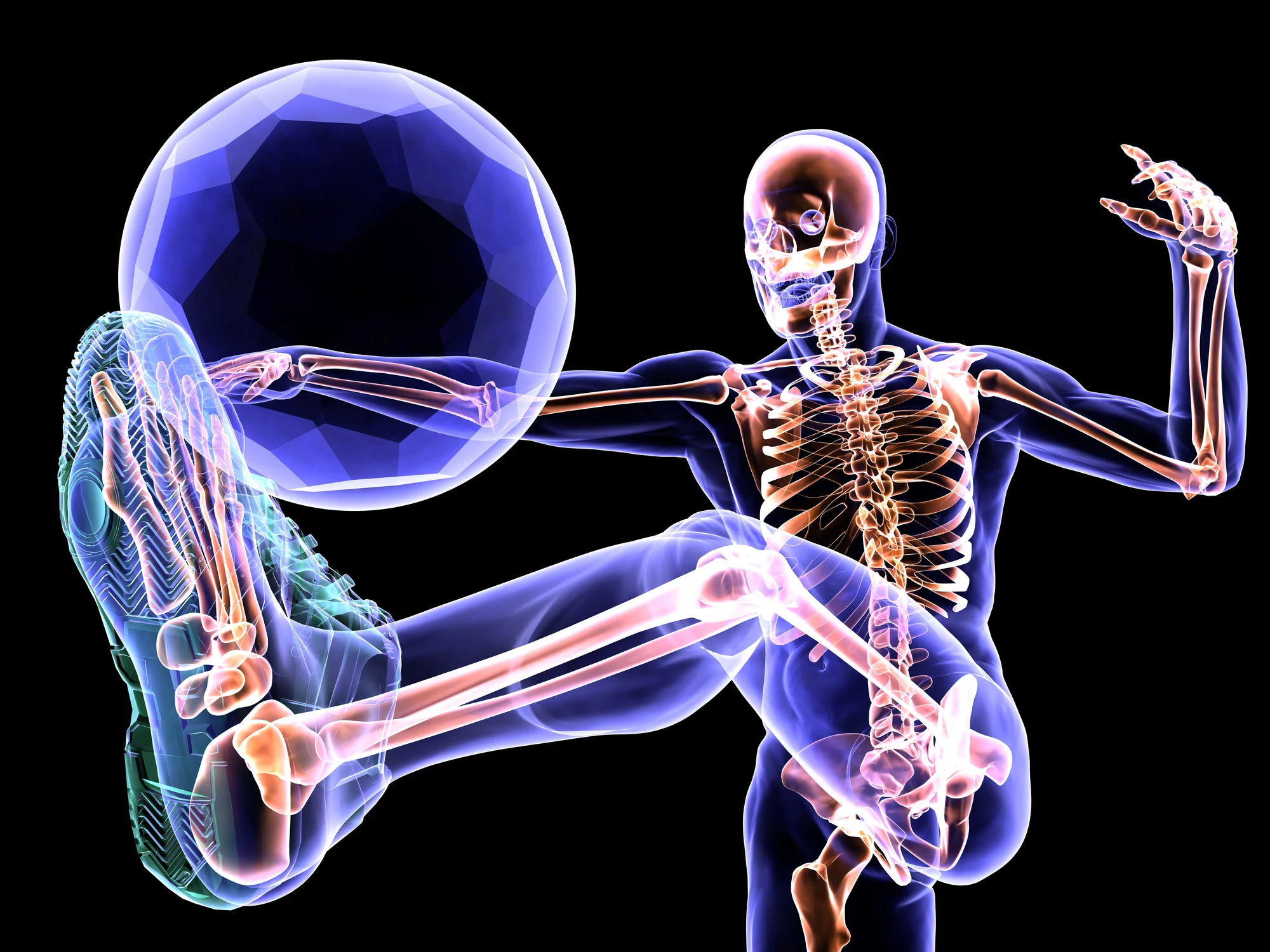
Most sports injuries are not random accidents. They are the predictable result of structural imbalances, movement compensations, and accumulated stress. That nagging shoulder pain, recurring hamstring strain, or persistent tendonitis? Your body was telling you something needed attention long before the injury occurred.
Our approach to injury prevention addresses root causes rather than symptoms. We identify and correct the structural and movement patterns that create excessive stress on vulnerable tissues. We build balanced strength and mobility throughout your body, not just in the muscles you use most. We teach you to recognize and respond to your body's signals before they become injuries.
The result is genuine resilience. Not just the ability to withstand stress, but the capacity to adapt, recover, and stay healthy over long athletic careers. Efficient movement also creates less stress and fatigue, so you recover faster between sessions, hold up through long events, and accumulate less wear over the years.
The performance enhancement process
We begin with comprehensive assessment of your structure, movement quality, and sport-specific patterns. We observe you moving in your sport (when possible) and identify the limitations and compensations affecting your performance. This guides our work and helps us prioritize what will make the biggest difference.
Structural Integration sessions release restrictions and optimize alignment throughout your body. We might follow a complete series for full-body transformation or focus on specific areas relevant to your sport. The work is systematic and progressive, building toward comprehensive structural balance.
Movement Education sessions refine your technique, eliminate compensations, and develop the specific movement capacities your sport demands. We bridge the gap between structural changes and sport performance, ensuring improvements transfer directly to your athletic activities. You will leave with practices and principles you can continue using independently.
Who this helps
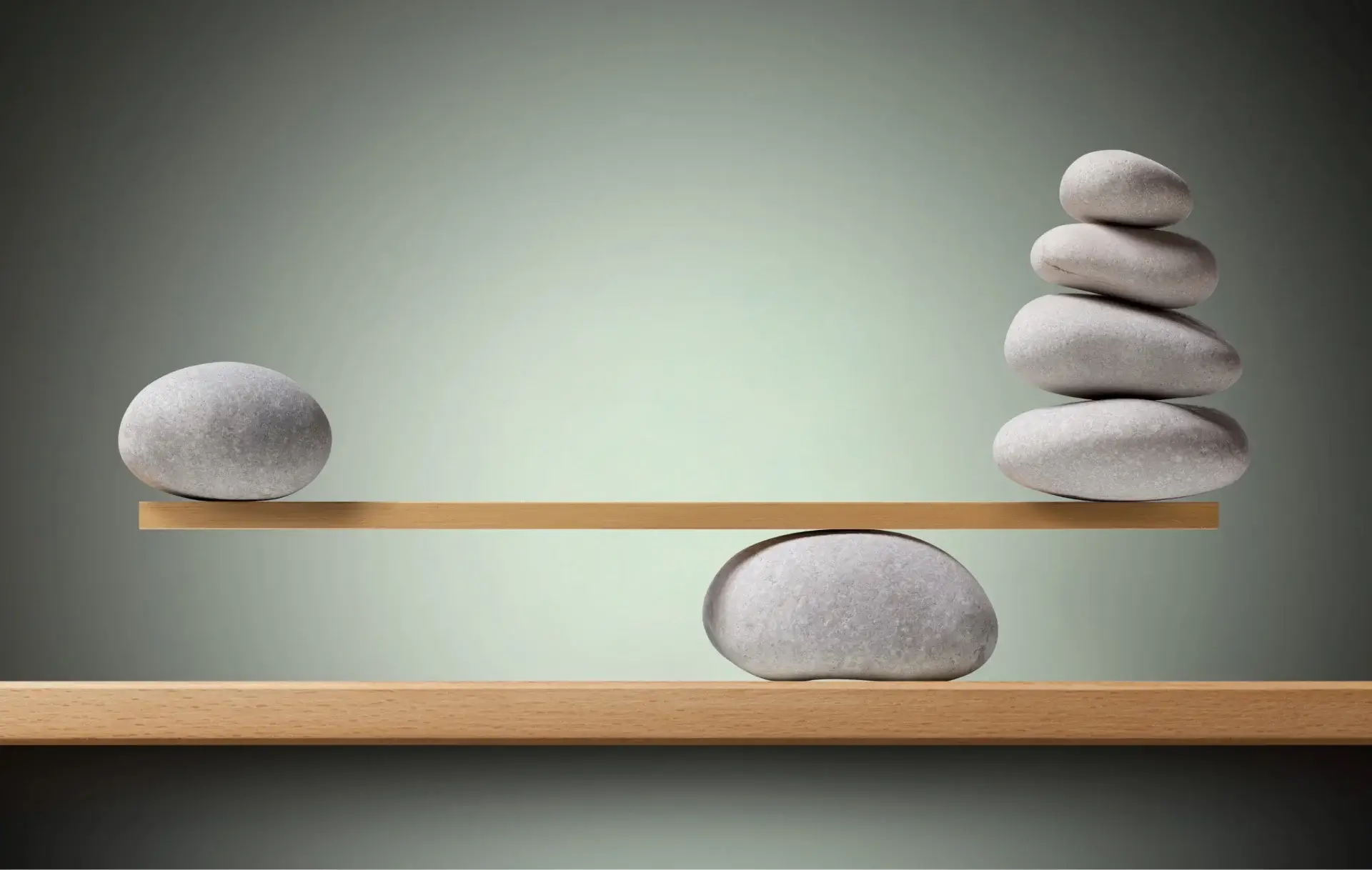
Our sports performance work serves athletes at all levels, from weekend warriors to competitive athletes to professionals. If you are dealing with recurring injuries, feeling stuck at a performance plateau, or simply wanting to optimize your movement quality, this work can help.
We work with golfers wanting more power and consistency, climbers dealing with shoulder or finger issues, cyclists and runners optimizing biomechanics, surfers improving paddle strength and wave performance, and athletes from every sport imaginable. The principles of good structure and movement quality are universal, even as we tailor the application to your specific needs.
Whether you are trying to break through a performance plateau, prevent recurring injuries, recover from an injury stronger than before, or simply optimize your movement for better performance, our work can help. The common thread is a commitment to improvement and a willingness to address the structural and movement foundations that support athletic performance.
Sports performance services
- Athletic Performance Enhancement: Optimize biomechanics, power, and efficiency for peak athletic performance.
- Golf Performance: Improve swing mechanics, increase power, and eliminate compensations.
- Climbers: Enhance movement efficiency and prevent climbing-specific injuries.
- Cyclists and runners: Optimize biomechanics for endurance and reduce overuse injuries.
- Surfers Program: Santa Cruz surfer-specific training for better performance in the water.
- Sports Injury Prevention: Build resilience and reduce injury risk through structural work.
- Injury Recovery Services: Return to sport stronger and more resilient than before.
- Movement Screening: Comprehensive assessment to identify limitations and asymmetries.
- Core Strengthening: Build functional core strength that transfers to athletic performance.
- Mobility Training: Increase range of motion and movement quality for better performance.
- Balance Training: Improve stability, proprioception, and body control.
- Breathing and Core Training: Master breath mechanics for optimal performance and recovery.
Clients on the work
“I'm a physical therapist. I absolutely recommend his work. The amount of training he has is leagues beyond what people think a personal trainer has.”
“Rock is an encyclopedia of anatomy knowledge with deep intuition on how to help people move through their physical challenges. The strength and comfort I've developed has exceeded my expectations.”
“Rock's manual therapy found and addressed tension I wasn't even aware was affecting my structure. He offered expert movement insight that lets me continue the work in my daily practice.”
Questions, answered
How can Structural Integration improve my athletic performance?
Structural Integration optimizes your body's alignment and fascial system, which directly impacts performance. When your structure is properly aligned, forces transfer efficiently through your body, reducing energy waste. You will generate more power with less effort, move more fluidly, and reduce injury risk. Many athletes report feeling 'faster,' 'lighter,' or 'more connected' after structural work. The improvements persist because your structure itself has changed, not just temporary performance enhancement.
Will this interfere with my current training program?
No, our work complements your training. Structural Integration sessions are typically spaced weekly, so they do not disrupt your training schedule. Movement Education can be integrated into your existing routine or done on recovery days. Many athletes find that structural and movement work enhances their training, they move better, recover faster, and perform better. We will work around your competition schedule and training cycles.
How long before I see performance improvements?
Many athletes notice immediate improvements in movement quality and ease after their first session. Performance improvements typically develop over a series of sessions as we systematically address structural limitations. Most athletes see meaningful performance gains within 4 to 8 sessions, with continued improvement as the work progresses. The timeline depends on your sport, current structure, and training demands.
Do you work with competitive athletes?
Yes. Many competitive athletes use structural work in the off-season for comprehensive change, and in season for maintenance and injury prevention.
Can this help prevent sports injuries?
Absolutely. Most sports injuries are not random, they are predictable outcomes of structural imbalances and movement compensations. By addressing these patterns proactively, we reduce injury risk significantly. Structural Integration releases restrictions that create excessive stress on vulnerable tissues. Movement Education teaches movement patterns that support healthy function rather than creating problems. Many athletes use this work preventively to stay healthy throughout their careers.
What if I am already dealing with a sports injury?
Our work can help with injury recovery by addressing the structural and movement patterns that contributed to the injury. We work carefully around acute injuries, respecting healing timelines and medical limitations. As you heal, we progressively restore function and address the underlying patterns that set you up for injury. Many athletes recover faster and return stronger when structural and movement work is part of their rehabilitation.