Injury recovery
Injury recovery should not just mean getting back to normal. It should mean coming back stronger, more balanced, and less vulnerable than before.
Recovery beyond symptom management
Most conventional rehabilitation focuses on the injured tissue in isolation, strengthening specific muscles, reducing local inflammation, managing pain until symptoms subside. But this approach misses the bigger picture: why did you get injured in the first place? What patterns set you up for that injury? And how can you return not just to your previous state, but to something better?
At Rock Your Body, injury recovery means more than treating symptoms. We investigate the structural and movement factors that contributed to your injury. We address compensations throughout your body, not just at the injury site. We restore optimal function and build resilience against re-injury.
Whether you are recovering from a sports injury, car accident, surgical procedure, or chronic overuse pattern, our approach combines Structural Integration to address fascial restrictions and alignment issues, with Movement Education to retrain dysfunctional patterns and build robust function. We work with your body's natural healing capacity, supporting complete recovery.

Why injuries do not happen in isolation
Your rotator cuff did not tear randomly. It had been compensating for restrictions elsewhere in your shoulder girdle, gradually weakening under abnormal stress. Your IT band did not suddenly start hurting. It had been working overtime to stabilize a hip that was not functioning properly. Your Achilles tendonitis did not appear from nowhere. It developed as your foot and ankle mechanics deteriorated over time.
Most injuries are the predictable outcome of accumulated structural imbalances and movement compensations. Something in your body was not working optimally, so other structures took up the slack. Eventually, those compensating structures break down under excessive demand. If you only treat the injured tissue without addressing why it was overloaded, you are setting yourself up for re-injury or problems elsewhere.
This is where our whole-body, structural approach excels. We do not just work on your injured shoulder, knee, or back. We investigate your entire structure and movement patterns. We find and release the restrictions, imbalances, and compensations that created excessive stress on the injured area. We restore balanced function throughout your body, not just local symptom relief.
The recovery process
Recovery begins with comprehensive assessment. We evaluate not just your injury, but your entire structural and movement pattern. How is your body compensating? What restrictions exist throughout your structure? What movement habits contributed to the injury? This investigation reveals the complete picture and guides our approach.
In early stages of recovery, we work gently to support your body's healing process. Structural Integration can reduce inflammation, improve circulation, and release compensatory tension that might be slowing recovery. We address areas away from the acute injury that are contributing to the problem, preparing your structure for more direct work as healing progresses.
As you heal, we progressively restore function through hands-on structural work and movement re-education. You will learn to move in ways that support healing rather than re-aggravating your injury. We build balanced strength and mobility throughout your body, not just in the injured area. The pace is individually tailored. We never push beyond what your body is ready for.
Finally, we focus on building resilience and preventing re-injury. You will develop movement patterns that support healthy function rather than creating future problems. You will understand your body better and know how to maintain the improvements we have created together. Many clients discover they move better after recovery than they did before their injury.
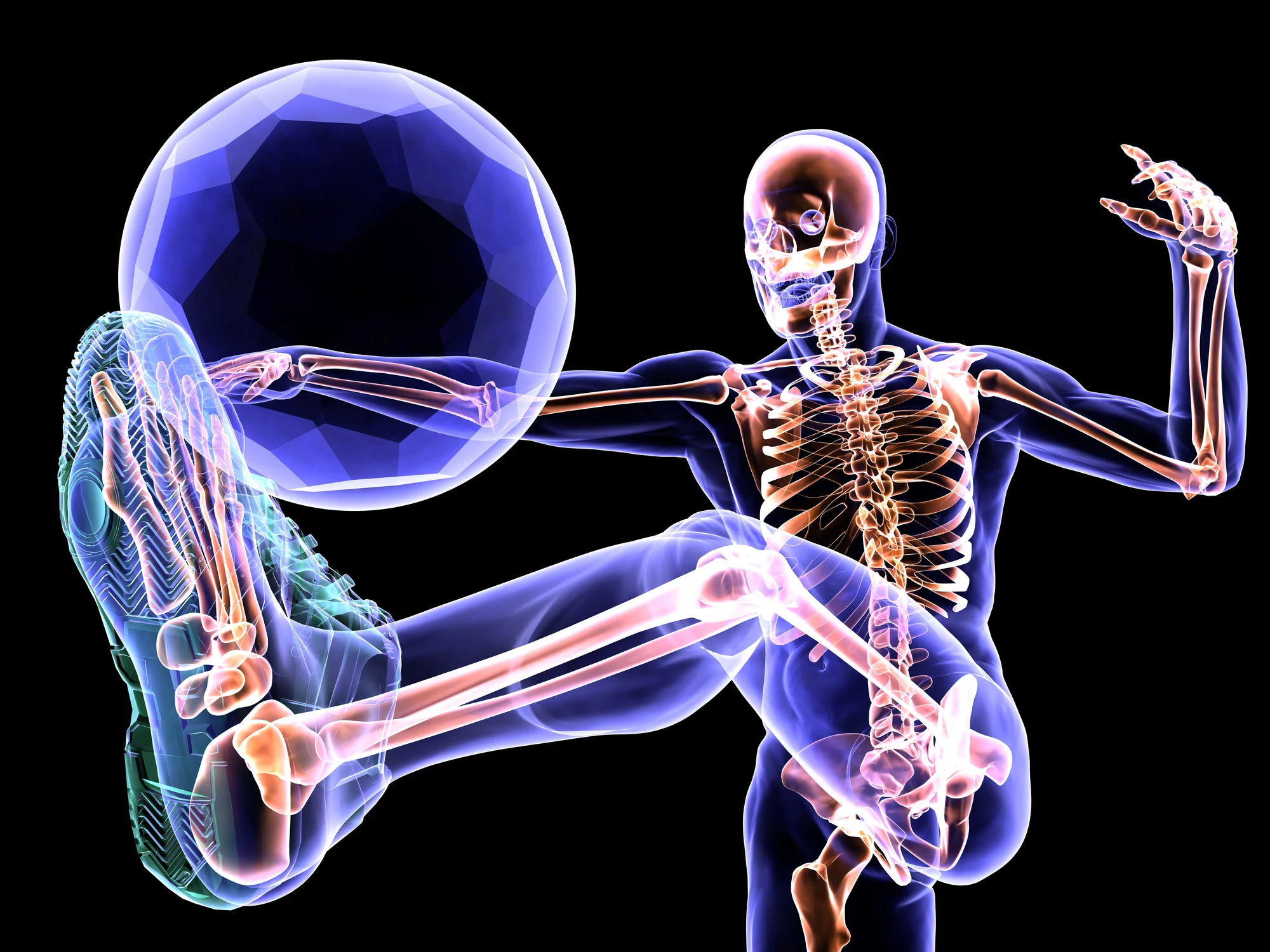
Common injury patterns we address
Shoulder injuries, rotator cuff tears, frozen shoulder, impingement, often stem from restrictions in the ribcage, neck, and spine that limit natural shoulder mechanics. We restore mobility throughout the shoulder girdle complex, not just the shoulder itself.
Lower extremity injuries, IT band syndrome, Achilles tendonitis, plantar fasciitis, typically involve the entire chain from low back through foot. We address hip function, pelvic alignment, and foot mechanics to eliminate the patterns causing overload.
Spinal injuries, whiplash, disc issues, chronic back pain, require addressing the entire structural context. We work with fascia throughout your body to reduce strain on vulnerable spinal tissues and restore balanced support.
Whatever your specific injury, we treat it within the context of your complete structure and movement. This comprehensive approach produces better outcomes than isolated injury-site treatment.
The role of fascia in injury recovery
Injuries do not just affect the injured tissue. They create fascial restrictions and compensation patterns throughout your body. When you injure your shoulder, your body compensates by using your neck, back, and ribs differently. When you injure your knee, your hip, pelvis, and foot adapt. These compensations can persist long after the original injury heals, creating ongoing problems.
Structural Integration addresses these fascial restrictions and compensation patterns. We release scar tissue, improve fascial mobility around injured areas, and restore balanced function throughout your body. Many clients discover that addressing these broader patterns resolves problems they thought were permanent.
Fascial work also supports the healing process itself. Improved circulation, reduced tension, and better alignment create conditions that support tissue healing. We work carefully around acute injuries, respecting healing timelines, then progressively address restrictions as you heal.

Preventing re-injury
The injury forced attention to patterns that needed addressing anyway. Work through them and you do not just restore function, you optimize it. You return to activity not just healed, but improved.
Working with your medical team
Our injury recovery work complements medical care, physical therapy, and other treatments you may be receiving. We are happy to communicate with your healthcare providers and coordinate our approach with your overall treatment plan. Many physicians, surgeons, and physical therapists refer patients to us specifically for the structural and fascial work that enhances their treatment.
We respect appropriate healing timelines and never push your body beyond what is safe. If you are in acute injury stages or post-surgical recovery, we will work conservatively and progressively. Our goal is supporting your body's healing process, not forcing change before you are ready. We will adapt our approach to your specific situation and recovery stage.
Injury recovery services
- Rotator Cuff Injury: Restore shoulder function and eliminate pain from rotator cuff issues.
- Frozen Shoulder: Release adhesive capsulitis and restore natural shoulder mobility.
- IT Band Syndrome: Address the true causes of IT band pain beyond the band itself.
- Achilles Tendonitis: Resolve Achilles pain and restore healthy tendon function.
- Whiplash Recovery: Release trauma patterns and restore neck function after whiplash.
- Plantar Fasciitis: Eliminate heel pain by addressing foot structure and mechanics.
- Sciatica Relief: Get to the root cause of sciatic nerve compression and pain.
- Sports Injury Prevention: Build resilience and prevent future injuries through better structure.
- Fascial Release: Release scar tissue and restrictions from old injuries.
- Movement Screening: Identify movement compensations and injury risk factors.
- Back Pain Relief: Address structural causes of back pain for lasting relief.
Clients on the work
“I'm a physical therapist. I absolutely recommend his work. The amount of training he has is leagues beyond what people think a personal trainer has.”
“Rock is an encyclopedia of anatomy knowledge with deep intuition on how to help people move through their physical challenges. The strength and comfort I've developed has exceeded my expectations.”
“Rock's manual therapy found and addressed tension I wasn't even aware was affecting my structure. He offered expert movement insight that lets me continue the work in my daily practice.”
Questions, answered
How is your injury recovery approach different from physical therapy?
Physical therapy typically focuses on strengthening and rehabilitating the injured area. Our approach addresses the entire structural and movement context that contributed to the injury. We work with fascia throughout your body to release restrictions and improve alignment, not just strengthen specific muscles. We also teach movement patterns that support healing rather than perpetuating problems. Many clients find our work complements physical therapy, addressing aspects that PT does not cover.
Can you help with injuries from car accidents or whiplash?
Yes. Whiplash and car accident injuries respond well to this work because the compensation patterns they leave reach far beyond the injury site, and we address the whole pattern while respecting healing timelines.
How long does injury recovery take?
Recovery time depends on the injury, how long you have had it, and how quickly your body responds. Many people see significant improvement within 6 to 12 sessions, though complex or long-standing injuries may take longer. We work progressively, respecting your body's healing process and never pushing beyond what is safe. The goal is complete recovery, not just symptom management, which may take time but produces better long-term results.
Will this work if I have already had surgery for my injury?
Yes. Post-surgical recovery often involves scar tissue, fascial restrictions, and compensation patterns that can limit function and create ongoing problems. Structural Integration works with scar tissue and releases restrictions throughout your body. We respect surgical sites and work carefully around them, addressing the broader patterns that affect your recovery. Many clients find structural work helps them recover more fully from surgery than they would with rehabilitation alone.
Can I do this work while still seeing my doctor or physical therapist?
Absolutely. We are happy to coordinate with your medical team and work within any necessary limitations.
What if my injury is preventing me from being active?
That is exactly what we address. Our work helps restore function so you can return to activity safely. We do not just manage symptoms. We address the structural and movement patterns that limit your activity. As you recover, we progressively restore movement capacity and teach you how to move in ways that support healing. Many clients find they can return to activities they thought were lost, often moving better than before their injury.