That painful, angry tendon behind your heel
Pain in your Achilles tendon. Worse in the morning or after sitting. Gets better as you warm up, then worse again after activity. Maybe it's tender to touch. Maybe it's swollen. You've tried rest, ice, stretching. The pain keeps coming back.
You're worried about it rupturing. You're frustrated because you can't run, can't train, can't do the activities you love. You're wondering if this is permanent.
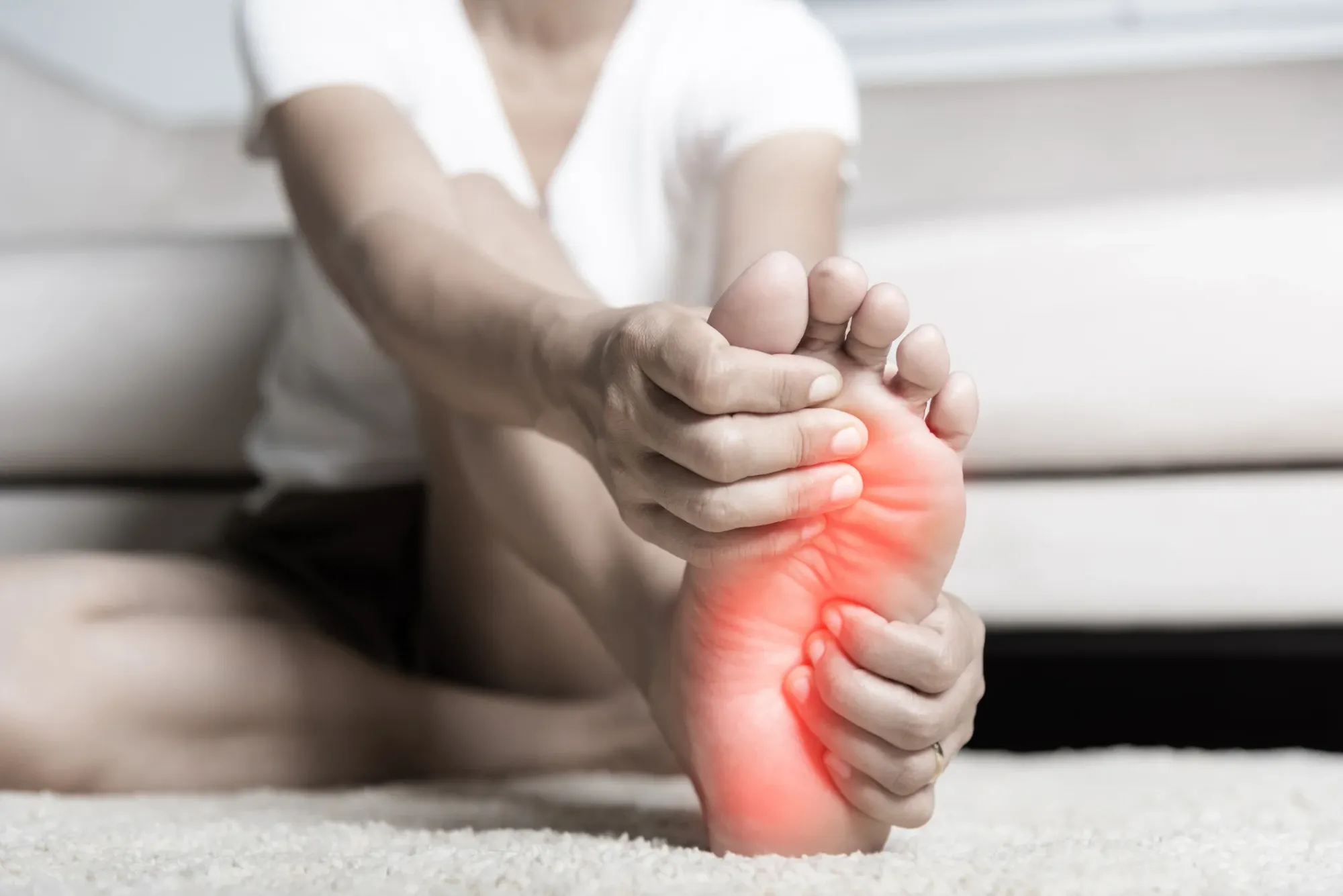
Tendonitis vs. tendinosis
Most chronic Achilles pain is actually tendinosis, not tendonitis. Understanding the difference matters for treatment.
True inflammation of the tendon. Happens with sudden injury or acute overload. Recent onset (days to weeks).
Treatment: Rest, ice, anti-inflammatories work here.
Degeneration and poor healing of the tendon. Little actual inflammation. Chronic problem (months to years).
Treatment: Loading (eccentric exercises), addressing causes, patience.
If your Achilles pain has been going on for more than 6 weeks, you likely have tendinosis. This is why rest and ice aren't working. Tendinosis needs controlled loading to stimulate proper healing.
Why your Achilles hurts
Tight, overworked calves
Your Achilles is the tendon that connects your calf muscles (gastrocnemius and soleus) to your heel bone. If your calves are chronically tight (they are for most people), they pull constantly on the Achilles. Add running, jumping, or sudden load increases, and you overload an already stressed tendon.
Limited ankle mobility
If your ankle doesn't move through proper range (dorsiflexion), your Achilles has to work harder with every step. Limited ankle mobility also changes your running mechanics, putting more stress on the Achilles.
Training errors
Too much too soon. Sudden increases in mileage, intensity, or hill work. Change in footwear (especially to minimalist shoes without proper transition). These overwhelm the Achilles before it can adapt.
Poor running mechanics
Excessive heel striking, overstriding, or poor foot and ankle mechanics increase Achilles load with every step. Multiply that by thousands of steps per run, and you create chronic overload.
Weak intrinsic foot muscles
If your foot muscles are weak (common from years of supportive shoes), your calves and Achilles have to work harder to stabilize your foot. This creates chronic overload.
Hip and knee issues
How your hip and knee move affects forces at your ankle and Achilles. Poor hip extension, weak glutes, or knee tracking issues can all contribute to Achilles problems.
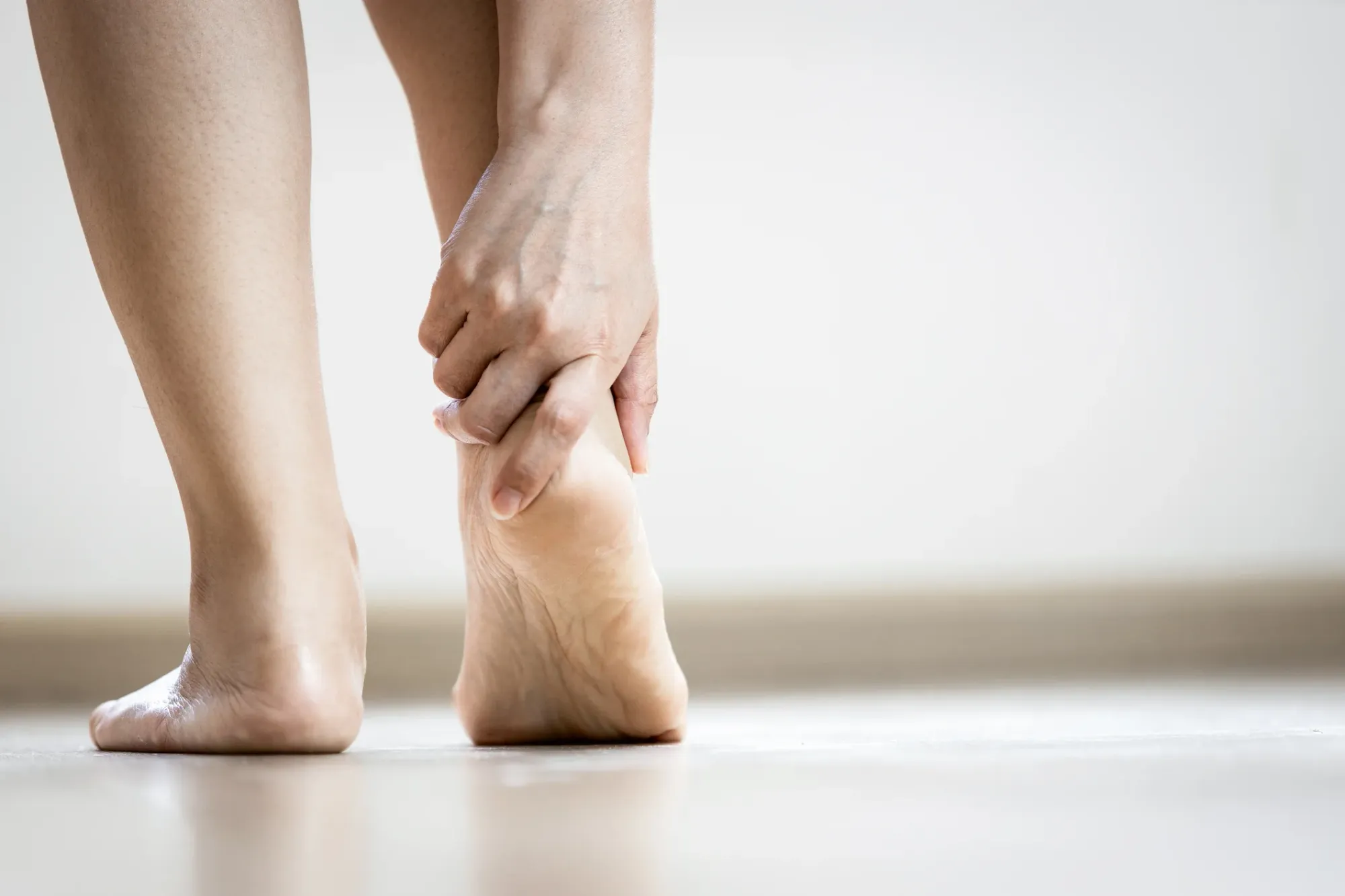
My approach to Achilles tendonitis
1. Release the entire posterior chain
Through Structural Integration:
- Deep calf work (gastrocnemius and soleus)
- Release tight Achilles and surrounding tissue
- Address plantar fascia (connected to Achilles via fascia)
- Work tight hamstrings pulling on the system
- Free up ankle joint restrictions
- Improve fascial quality throughout lower leg
2. Eccentric loading (the gold standard)
Progressive, controlled loading to stimulate tendon healing:
- Eccentric calf raises (lowering phase emphasized)
- Both straight leg (gastrocnemius) and bent knee (soleus)
- Progressive resistance as tolerated
- Daily loading protocol (not rest)
- Tendinosis needs load to heal properly
3. Improve ankle mobility and foot function
- Restore ankle dorsiflexion
- Strengthen intrinsic foot muscles
- Improve foot and ankle control
- Address pronation or supination issues
4. Fix running mechanics
- Reduce excessive heel striking
- Improve hip extension in stride
- Better cadence and foot strike
- Address contributing factors up the chain
5. Smart return to activity
- Gradual load progression
- Monitor symptoms (some discomfort OK)
- Cross-training to maintain fitness
- Patience with the healing timeline
What about rest, ice, orthotics?
Complete rest: Helps acute tendonitis but doesn't resolve chronic tendinosis. In fact, complete rest can make tendinosis worse. Tendons need load to heal, just controlled, progressive load.
Ice: May reduce pain temporarily but doesn't address the underlying tendon degeneration. Not harmful, but not a solution.
Heel lifts: Can temporarily reduce Achilles strain but don't resolve the problem and may create dependence. Use short-term if needed, not long-term.
Orthotics: May help if you have significant foot mechanics issues, but address foot strength and mechanics first. Orthotics should support your rehab, not replace it.
Cortisone injections: Strongly not recommended for Achilles. Risk of rupture. The temporary pain relief isn't worth the risk.
Recovery timeline
Acute tendonitis (recent onset): 4 to 6 weeks with proper treatment.
Chronic tendinosis (3 to 6 months of symptoms): 3 to 4 months of consistent work.
Severe, longstanding tendinosis: 6 to 12 months to fully resolve.
Important: Tendinosis is slow to heal because tendons have poor blood supply. Patience and consistency with eccentric loading are key. You won't heal this in 2 weeks.
What recovery looks like
- No more morning pain
- Return to running pain-free
- Able to jump and push off
- No tenderness to touch
- Better ankle mobility
- Stronger calves and feet
- Improved running mechanics
- Confidence in your Achilles
For Santa Cruz runners and athletes
Whether you're trail running in the redwoods, surfing at Pleasure Point, or just want to walk without pain, Achilles tendonitis doesn't have to sideline you permanently. With the right combination of hands-on work, eccentric loading, and addressing contributing factors, most people make full recoveries. Let's address your Achilles.