That painful bump on your big toe
A bony bump at the base of your big toe. It hurts. It's getting worse. Shoes don't fit right. Walking becomes painful. You've been told surgery is your only option.
Maybe you don't have a bunion yet, but your feet hurt constantly. Aching arches. Pain in the balls of your feet. Toes that feel cramped. Feet that get tired quickly. You're starting to avoid activities because your feet can't handle them.
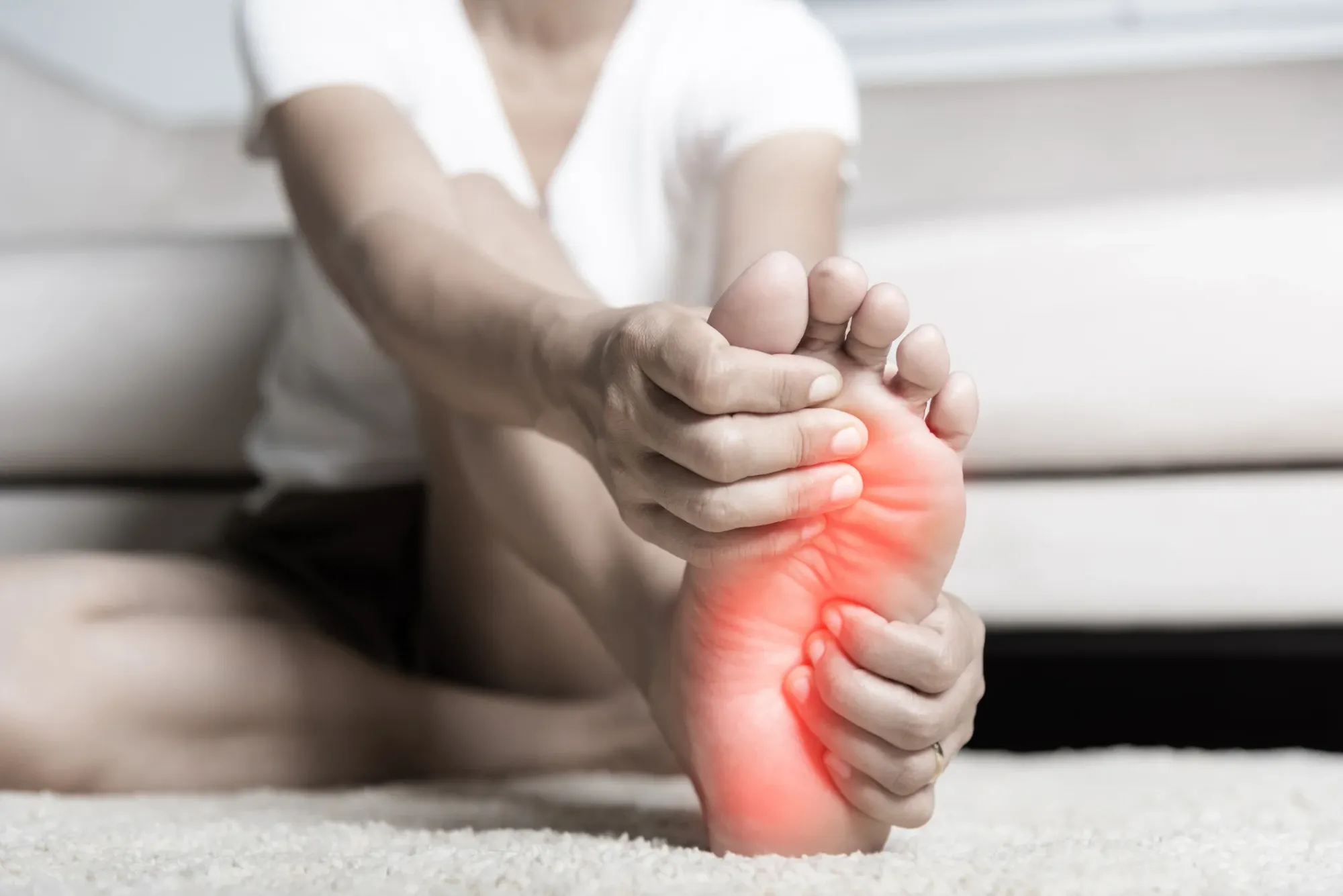
What is a bunion?
A bunion (hallux valgus) is a bony deformity where your big toe angles toward your other toes and a bump forms on the inside of your foot at the base of the big toe. This isn't just a bump that appeared out of nowhere. It's the result of years of poor foot mechanics, muscle imbalances, and structural issues.
- The metatarsal bone behind the big toe drifts inward
- This creates the characteristic bump
- The joint becomes misaligned and inflamed
- Over time, bone changes and arthritis develop
Why bunions happen
Weak, dysfunctional feet
Your feet have intrinsic muscles that should create and maintain your arch, control toe position, and stabilize during movement. Years of supportive shoes, lack of varied movement, and modern life have made most people's feet weak and unable to function properly. When your foot muscles don't work, your foot collapses and your big toe drifts.
Overpronation
When your foot rolls inward excessively during walking (overpronation), it creates forces that push your big toe outward. This is often caused by weak glutes and hips allowing your knee to collapse inward, which affects your foot position.
Tight calves and Achilles
Limited ankle dorsiflexion (ankle bending) from tight calves forces your foot to compensate. Your foot pronates more to "find" the range your ankle can't provide. This excessive pronation contributes to bunion formation.
Poor footwear
Narrow toe boxes squeeze your toes together. Heels pitch your weight forward onto your forefoot. Years of this footwear accelerates bunion formation. The shoes didn't cause the bunion (weak feet did), but they made it much worse.
Genetics
There is a genetic component. If your parents have bunions, you're more likely to develop them. But genetics loads the gun, your foot mechanics pull the trigger. Even with genetic predisposition, improving foot function can slow or prevent progression.
Hip and knee dysfunction
Weak hips and glutes allow your knee to collapse inward during walking and standing. This changes forces at your foot, contributing to pronation and bunion formation. Your bunion might actually start at your hip.
My approach to bunions and foot pain
1. Release restrictions throughout the foot
Through Structural Integration:
- Deep work on tight, restricted foot muscles
- Release plantar fascia
- Free up toe joints (often very stiff)
- Address tight calves pulling on the system
- Work entire lower leg affecting foot mechanics
- Restore fascial sliding in the foot
2. Strengthen intrinsic foot muscles
Build foot strength and function:
- Short foot exercise (arch strengthening)
- Toe spreading and control exercises
- Barefoot work (carefully progressed)
- Balance and single-leg stability
- Teach your feet to actually work
3. Address the whole chain
- Improve ankle mobility
- Strengthen glutes and hips (critical for foot mechanics)
- Fix knee tracking issues
- Work the entire kinetic chain, not just the foot
4. Footwear and lifestyle changes
- Wider toe box shoes (let your toes spread)
- Minimize heel height
- Consider toe spacers (can help realign)
- More barefoot time when appropriate
- Footwear that supports your rehab, not replaces it
Can you reverse a bunion without surgery?
Honestly? Probably not completely. Once significant bone changes have occurred, the bunion won't fully straighten without surgery. But that doesn't mean conservative treatment is pointless.
What you can do:
- Significantly reduce or eliminate pain
- Slow or stop progression
- Improve foot function and strength
- Reduce inflammation around the joint
- Avoid or delay surgery
- Improve outcomes if you eventually need surgery
For early or mild bunions: You may see some positional improvement with aggressive toe spacing and strengthening. The earlier you catch it, the more you can change.
Surgery should be considered if: Severe pain that conservative treatment doesn't help, significant deformity limiting function, or arthritis making daily activities difficult. But try conservative treatment first.
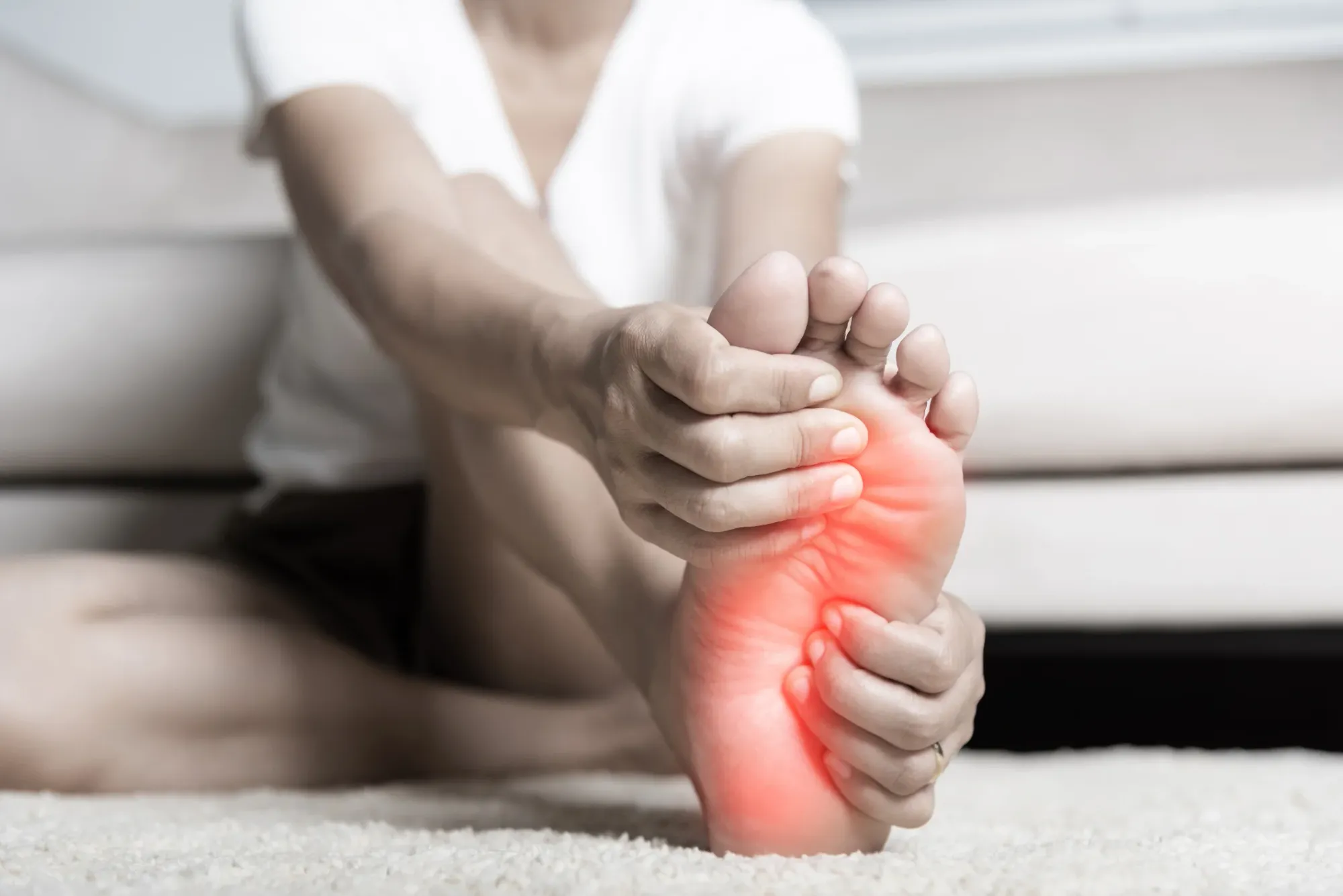
Other common foot issues we address
Metatarsalgia
Pain in the ball of your foot. Often from weak foot muscles, poor footwear, or bunion-related mechanics.
Hammer toes
Toes that curl or bend abnormally. Often accompanies bunions. Caused by muscle imbalances in the foot.
Flat feet and fallen arches
Collapsed arches from weak intrinsic foot muscles. Often accompanies bunions and pronation issues.
Morton's neuroma
Nerve pain between your toes (usually 3rd and 4th). Sharp, burning, or numbness. Related to poor foot mechanics.
What better feet look like
- Reduced or no bunion pain
- Better arch function
- Stronger, more capable feet
- Improved balance and stability
- Walk without pain
- More footwear options
- Slowed bunion progression
- Confidence in your foundation
For Santa Cruz active people
Whether you're walking on the beach, hiking in the redwoods, or just want to get through your day without foot pain: when your feet don't work right, everything up the chain suffers. Let's get your feet strong and functional again.