You cannot fix what you do not understand
Maybe one side feels tighter. Maybe you compensate without realizing it. Maybe you have been injured and do not move the same way anymore.
Once you understand how you move, we can address it.

What a movement assessment reveals
Structural imbalances
Are your shoulders level? Is one hip higher? Does your pelvis rotate to one side? These asymmetries create compensation patterns and eventual pain.
Movement restrictions
Where are you limited? Which joints do not move through full range? What is restricted that should not be? What is hypermobile to compensate for what is stuck?
Compensation patterns
Your body is smart. When one area does not work, another takes over. But compensations create new problems. We find them before they become painful.
Injury risk factors
Weak glutes? Limited ankle mobility? Poor core integration? These increase injury risk. We identify vulnerabilities before they become injuries.
Performance limiters
What is holding you back? Poor hip extension limiting your running stride? Restricted thoracic spine limiting your golf swing? We find it.
What is included in the assessment
How you stand reveals a lot. We assess:
- Head position (forward head posture)
- Shoulder height and rotation
- Spinal curves and alignment
- Pelvic position and rotation
- Leg alignment
- Foot position and arches
We test mobility in key joints:
- Ankle dorsiflexion
- Hip flexion, extension, rotation
- Thoracic spine rotation
- Shoulder flexion, extension, rotation
- Neck mobility
How you move matters more than how you stand:
- Squat pattern (depth, knee tracking, balance)
- Hinge pattern (hip vs. back dominant)
- Single-leg balance and stability
- Overhead reach and shoulder mechanics
- Rotation patterns
- Gait analysis (how you walk)
Which muscles are weak or not firing properly:
- Glute activation (often "asleep")
- Core stability and integration
- Rotator cuff function
- VMO activation (inner quad for knee stability)
- Postural muscle endurance
Where is fascia restricted or dense:
- Palpation of key fascial lines
- Tissue quality assessment
- Areas of chronic tension
- Scar tissue from old injuries
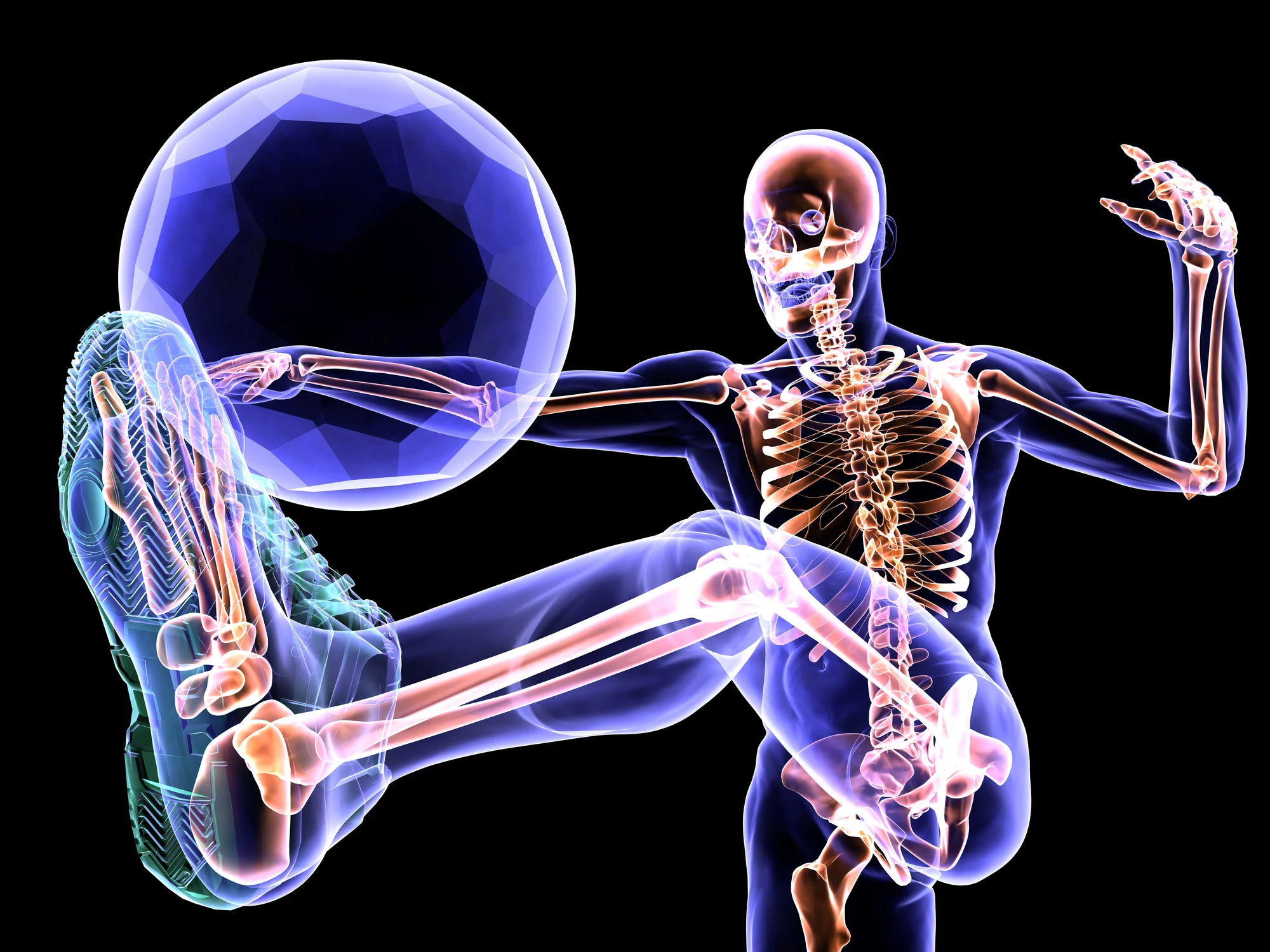
What you get
You will finally understand what is actually going on in your body and why you hurt or move the way you do.
Not generic advice. A personalized roadmap for addressing your specific imbalances and restrictions.
Why your shoulder hurts might have nothing to do with your shoulder. We find the actual source.
Detailed assessment findings and recommendations you can refer back to or share with other practitioners.
Who benefits from movement assessment
Identify limitations holding back performance. Find imbalances before they become injuries.
Understand what compensation patterns you have developed. Create a plan to return to full function.
Finally understand why the pain keeps coming back. Address root causes, not just symptoms.
Catch problems early before they become painful or limit your activities.

Assessment plus action
The assessment is the first step. Then we create a plan, whether that is a full Structural Integration series, targeted movement training, or a hybrid approach. You will know exactly what you need and why.