Movement training
Movement is your body's native language. When you move well, everything feels easier. This work is about rediscovering your body's innate intelligence and relearning how to move with efficiency, ease, and power.
Rediscover how good movement can feel
Most of us have lost touch with our natural movement capacity, accumulating restrictions, compensations, and inefficient patterns over years of modern living.
Movement Training at Rock Your Body is not about copying exercises from a screen or grinding through generic workout routines. Through personalized coaching and hands-on guidance, you will develop movement skills that translate directly into your daily life and activities.
Whether you want to eliminate pain, enhance athletic performance, prevent injury, or simply move through life with more confidence and capability, our movement training provides the foundation. You will learn to sense what your body is doing, understand why certain patterns create problems, and develop new strategies that work better.
What makes our movement training different
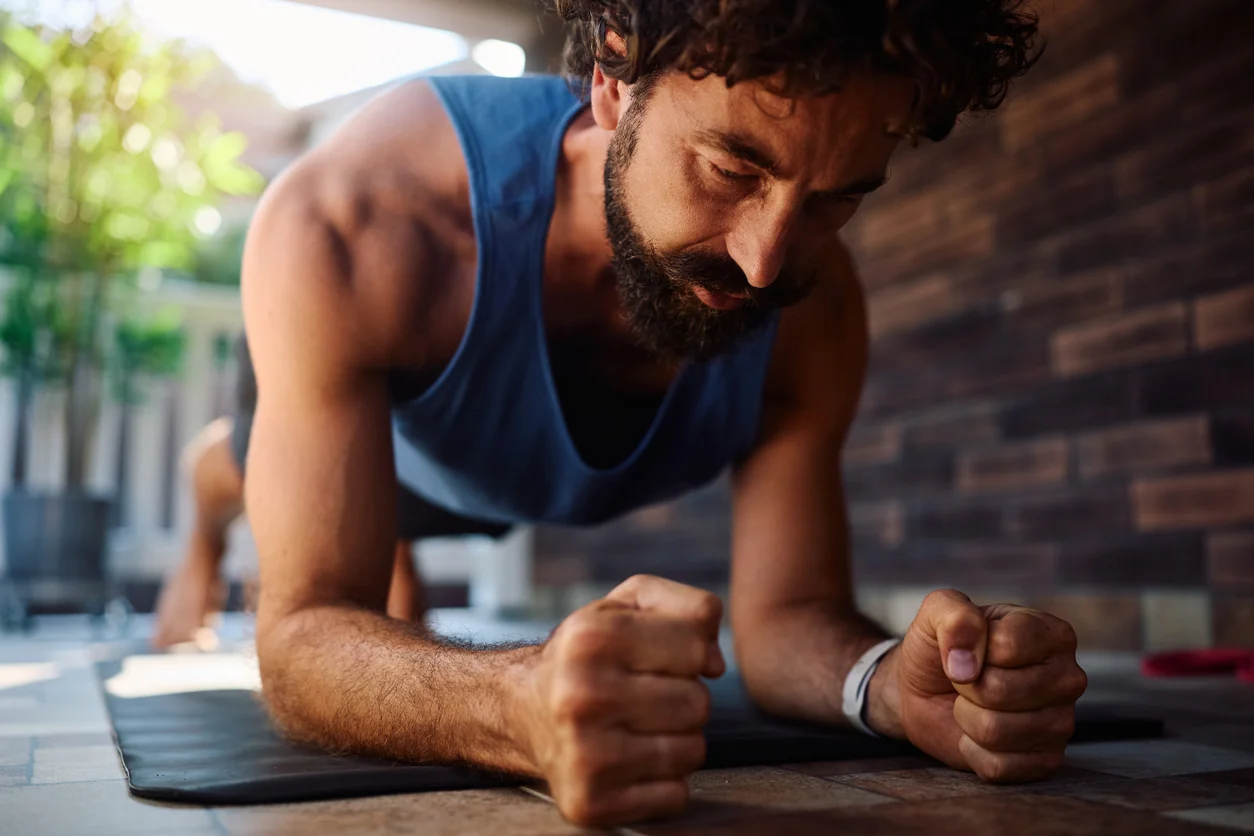
Unlike conventional personal training that focuses on muscle isolation and repetitive exercises, our movement training emphasizes integration, variability, and functional transfer. We are not interested in how much weight you can lift in a controlled gym environment. We care about how well you move in real life.
Every session is tailored to your unique body, goals, and challenges. We start by assessing your current movement patterns, identifying restrictions and compensations, then design practices that address your specific needs. You might work on breathing mechanics one day, hip mobility another, and full-body integration the next, whatever your body needs most.
We draw from diverse movement disciplines: developmental patterns, natural movement, athletic training, somatic practices, and functional biomechanics, to create a rich, effective approach. The goal is not to make you dependent on us, but to give you tools and understanding you can use independently for life.
Core principles of effective movement
Good movement starts with awareness. You cannot change what you cannot feel. We help you develop refined body sense, the ability to notice what you are actually doing, not what you think you are doing. This awareness is the foundation for all lasting change.
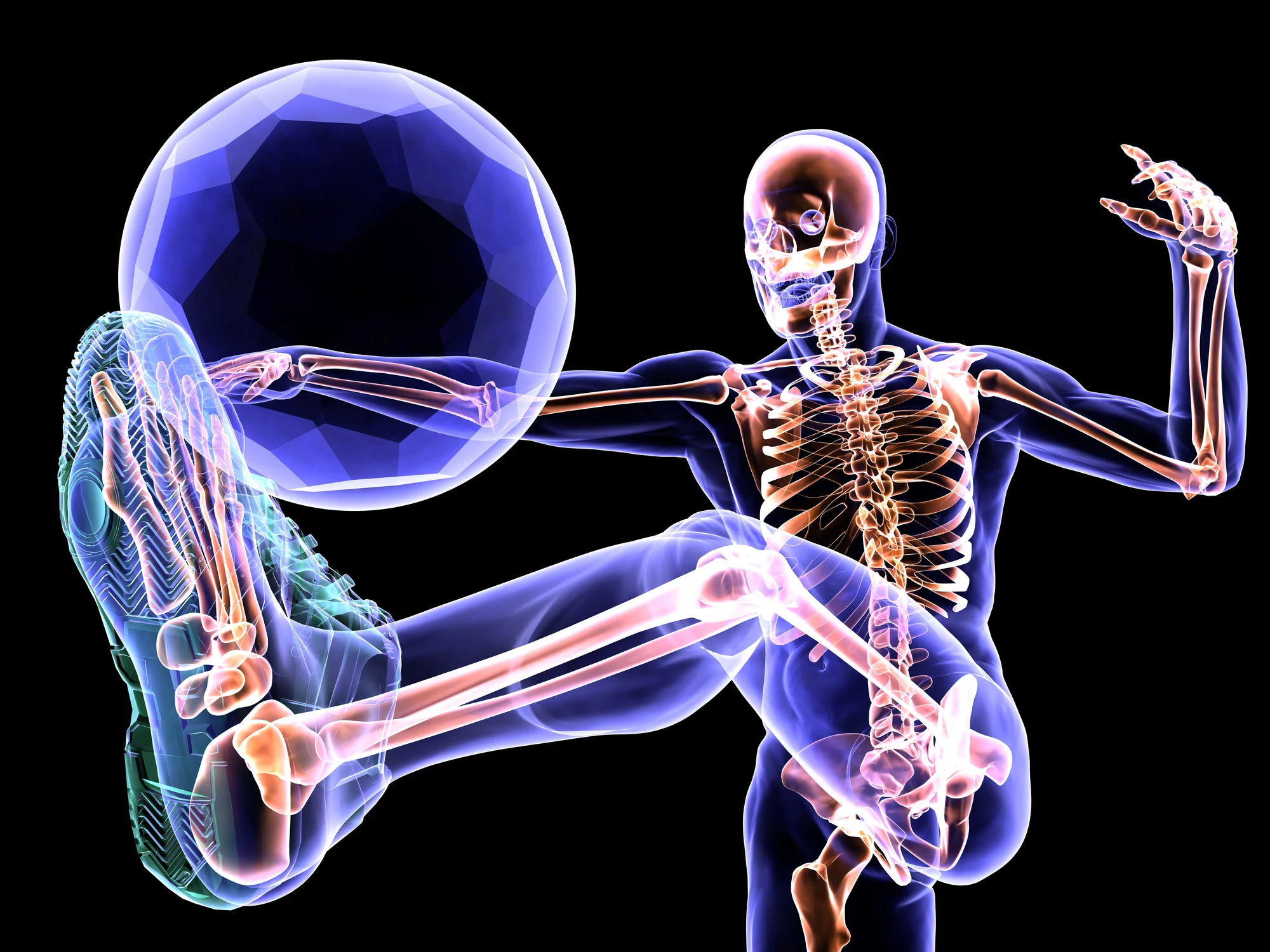
From there, we focus on fundamental patterns that underlie all human movement: breathing, core control, hip function, shoulder organization, foot stability, and spinal articulation. Master these basics and everything else becomes easier. Skip them and you will struggle with compensation patterns no matter how much you train.
We also emphasize variability and adaptability. Your body needs exposure to diverse movement challenges to develop true resilience and capability. We will explore different positions, speeds, load conditions, and environments to build robust movement skills that serve you anywhere.
The movement education process
Your movement journey begins with assessment. We observe how you move through basic patterns, identify limitations and compensations, and discuss your goals and challenges. This gives us a clear starting point and helps us design your personalized program.
In sessions, you will receive hands-on guidance and coaching as you explore new movement patterns. We might use props, gravity variations, or specific constraints to help your nervous system discover better options. The atmosphere is exploratory and curious rather than demanding or punishing. We are investigating possibilities, not grinding through reps.
Between sessions, you will practice key patterns on your own, integrating improvements into your daily movement. We provide clear practices you can do at home, along with ongoing support and adjustment as you progress. The real work happens in how you move throughout your day, not just during our sessions.
The role of awareness in movement
Awareness is the foundation of all movement improvement. You cannot change what you cannot feel. Most people move through life with minimal body awareness. They do not notice their patterns until pain or limitation forces attention. Movement Education develops refined proprioception and interoception, the ability to sense your body's position, movement, and internal state.
As your awareness develops, you begin noticing things you never felt before: how you are holding tension, where you are compensating, how your breathing affects your movement, where you are stable and where you are not. This awareness becomes your guide for making better movement choices throughout your day. You start catching yourself before patterns become problems.
This is not about constant self-monitoring or perfectionism. It is about developing a relationship with your body where you can sense what is happening and respond appropriately. Many clients describe feeling more "at home" in their bodies, more connected, more present. This embodied awareness is a skill that serves you for life.
Building movement capacity safely
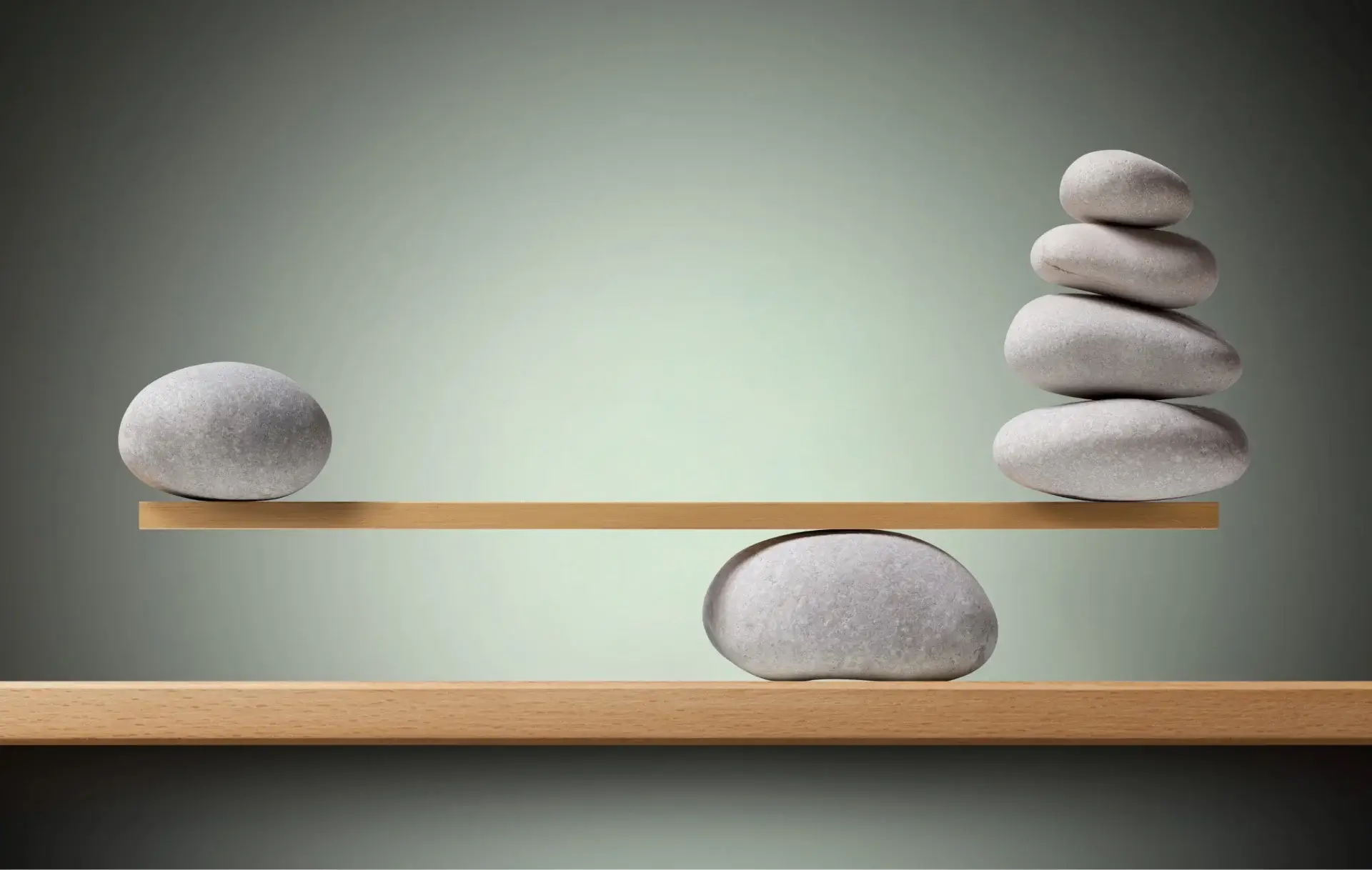
Safety is paramount in Movement Education. We never push beyond what your body is ready for. Instead, we create conditions where your nervous system can safely explore new movement possibilities. This might mean starting with simpler patterns, using props for support, or working in positions that reduce load while you develop capacity.
We respect injuries, limitations, and your body's signals. If something does not feel right, we adjust. The goal is not to force your body into positions. It is to help your body discover better options naturally. This patient, respectful approach builds trust between you and your body, which is essential for lasting change.
Many people come to us after injuring themselves trying to push through limitations or force their bodies into positions they were not ready for. Our approach is different: we build capacity progressively, ensuring each step is solid before moving to the next. This might feel slower initially, but it produces better, safer, more lasting results.
Integration with structural work
Movement Education works powerfully on its own, but it is even more effective when combined with Structural Integration. Here is why: Structural Integration releases fascial restrictions and improves alignment, creating space for better movement. Movement Education teaches you how to use that space effectively and maintain those improvements.
Without movement education, structural changes can fade as old movement patterns pull your body back into familiar shapes. Without structural work, movement education can feel like trying to build on a shaky foundation. Together, they create lasting transformation: better structure supports better movement, and better movement maintains better structure.
Many clients do both simultaneously, structural sessions to optimize alignment, movement sessions to develop new patterns. Others alternate between periods focused on structure and periods focused on movement. We will discuss what combination makes sense for your goals and situation.
Who movement training helps
Our movement training serves anyone wanting to improve their movement quality and capacity. Athletes use it to enhance performance and prevent injury. People recovering from injuries use it to rebuild function safely. Older adults use it to maintain independence and vitality. Desk workers use it to counter the effects of prolonged sitting.
If you are dealing with chronic pain, movement training often provides the missing piece, teaching you how to move in ways that support healing rather than perpetuating problems. If you are already active but feeling limited, it can unlock new levels of capability. If you have never considered yourself "athletic," it can help you discover what your body can really do.
The common thread? A genuine interest in moving better. If you are curious about your body, willing to explore, and ready to invest in long-term improvement rather than quick fixes, this work is for you. Movement Education is not about becoming a movement expert. It is about developing practical skills that make your daily life easier and more enjoyable.
Movement training services
- Mobility Training: Restore natural range of motion and move with ease in all directions.
- Balance Training: Improve stability, coordination, and confidence in your movement.
- Core Strengthening: Build functional core strength that supports every movement you make.
- Breathing and Core Training: Master breath mechanics and integrate breathing with core function.
- Posture Correction: Develop natural, effortless posture that supports your structure.
- Movement Screening: Comprehensive assessment to identify movement limitations and asymmetries.
- Active Aging: Stay strong, mobile, and independent as you age gracefully.
- Desk Worker Wellness: Counter the effects of prolonged sitting and screen time.
- Athletic Performance: Enhance power, efficiency, and resilience for any sport.
- Sports Injury Prevention: Build resilience and reduce injury risk through better movement.
- Golf Performance: Improve your swing mechanics, power, and consistency.
- Climbers: Optimize movement efficiency and prevent climbing-specific injuries.
- Cyclists and runners: Improve biomechanics and endurance for cycling and running.
Questions, answered
How is Movement Education different from personal training?
Traditional personal training focuses on exercises, reps, and sets, building strength and fitness through repetition. Movement Education focuses on how you move, not just what exercises you do. We teach movement quality, efficiency, and awareness. You will learn to sense what your body is doing, understand movement principles, and develop skills that transfer to everything you do. It is education, not just exercise. You gain understanding and tools you can use for life.
Do I need to be in shape to start Movement Training?
Not at all. Movement Education meets you where you are, whether you are deconditioned, injured, or highly trained. We start with fundamental movement patterns and build from there. In fact, if you are dealing with pain or limitations, addressing movement quality first often resolves those issues before you need to build more strength or fitness. The work adapts to your current capacity and progresses at your pace.
Can I combine Movement Education with my regular workouts?
Absolutely. In fact, that is ideal. Movement Education makes your existing training more effective and safer. You will move with better form, reduce injury risk, and get more benefit from your workouts. Many clients continue their regular gym routines, sports, or activities while working with us. We just improve how you are moving, which enhances everything else you do.
Why do you train barefoot?
Your feet are your foundation. Shoes mask problems and prevent your feet from doing their job properly. Training barefoot lets you feel the ground, activate stabilizing muscles, and build real stability from the ground up. If you have foot concerns, dedicated gym-only shoes are welcome. Just no outdoor shoes. You will develop better balance, proprioception, and movement quality. Many clients find their foot pain, knee issues, or back problems improve once their feet start working properly.
How often should I do Movement Training sessions?
Frequency depends on your goals and situation. Many clients come 2 to 3 times per week initially to establish new patterns, then reduce to weekly or bi-weekly as they develop independence. Some people do intensive periods of regular sessions, then maintain with periodic tune-ups. We will discuss what makes sense for your schedule, goals, and budget. The key is consistency, regular practice helps new patterns stick.
Will I get exercises to do at home?
Yes. Each session includes practices you can do independently. These are not generic exercises. They are specific movements tailored to what your body needs. You will learn why you are doing them and how to progress them. The goal is building independence, not dependency. Most clients find the home practices become part of their daily routine because they feel good and make a noticeable difference.