You have been doing core training wrong
Hundreds of crunches. Planks for days. Your abs hurt, but your back still hurts too. You "work your core" regularly but you still feel unstable, weak, or like something is not connecting properly.
Here is the problem: crunches and sit-ups are not functional core training. They train movement your core rarely does in real life.
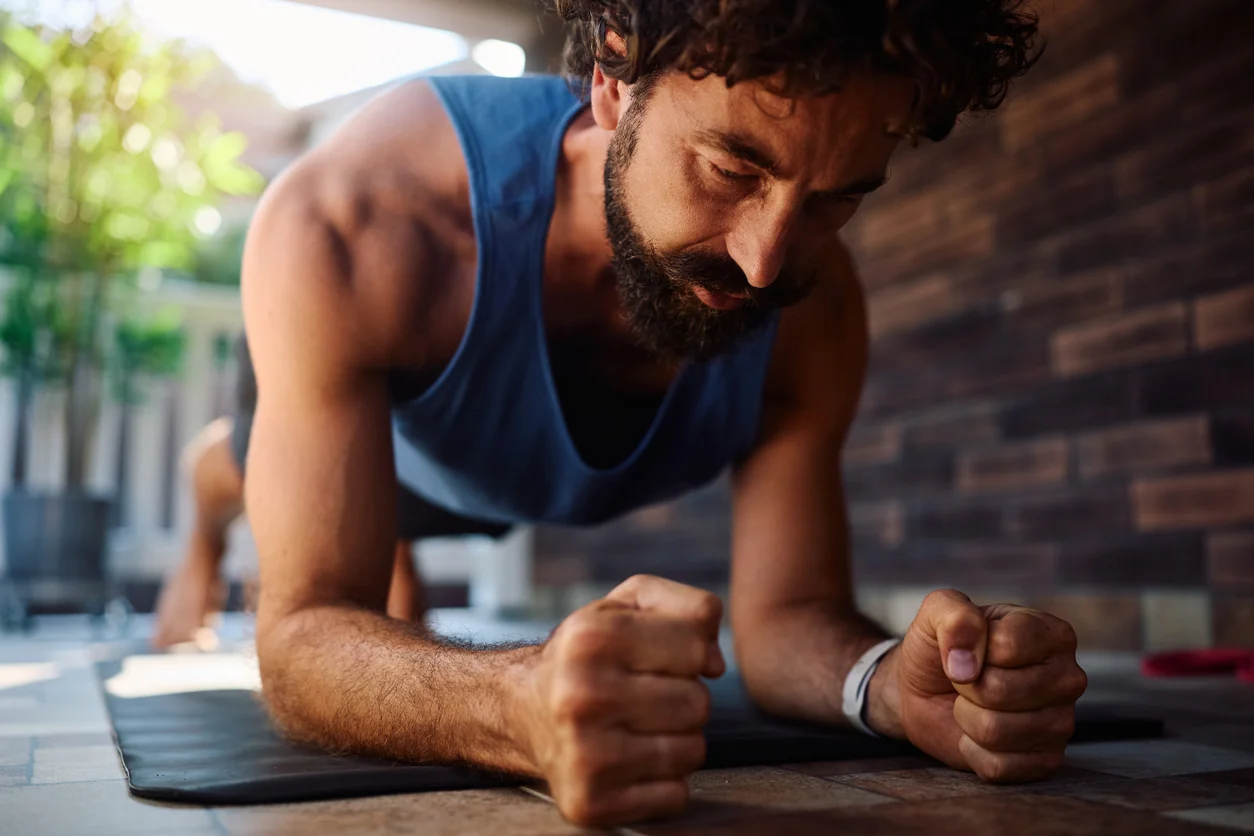
What is your "core" actually?
Your core is not just your abs. It is the entire musculature stabilizing your spine and pelvis. Think of it as a cylinder:
- Top: Diaphragm (your breathing muscle)
- Front: Transverse abdominis (deep abs), rectus abdominis (six-pack), obliques
- Sides: Obliques, quadratus lumborum
- Back: Multifidus, erector spinae, lats
- Bottom: Pelvic floor muscles
All of these work together to stabilize your spine, create intra-abdominal pressure, transfer force from your lower body to upper body, and protect your back. They need to work as a coordinated unit, not as isolated muscles.
What your core actually does
Resists extension
Prevents your lower back from arching excessively. When you lift something heavy, carry a weight in front of you, or push something, your core fights the tendency for your back to hyperextend. This is critical for back health.
Resists rotation
Controls and prevents unwanted rotation. When you carry something in one hand, walk, or run, your core stops you from rotating excessively. This is huge for functional strength and injury prevention.
Resists lateral flexion
Prevents side-bending. When you carry a weight on one side, your core keeps you upright. Critical for single-leg activities like walking and running.
Transfers force
Acts as a bridge between your upper and lower body. When you throw, swing, or generate power from your legs, your core transfers that force up through your body. A weak core leaks power.
Creates intra-abdominal pressure
Your diaphragm descends, your abs and back muscles engage, and your pelvic floor activates. This creates pressure in your abdominal cavity that stabilizes your spine. This is how you create a brace for heavy lifting.
Supports your breathing
Your diaphragm is part of your core. Proper breathing and core stability are inseparable. If you cannot breathe properly, you cannot have real core function.
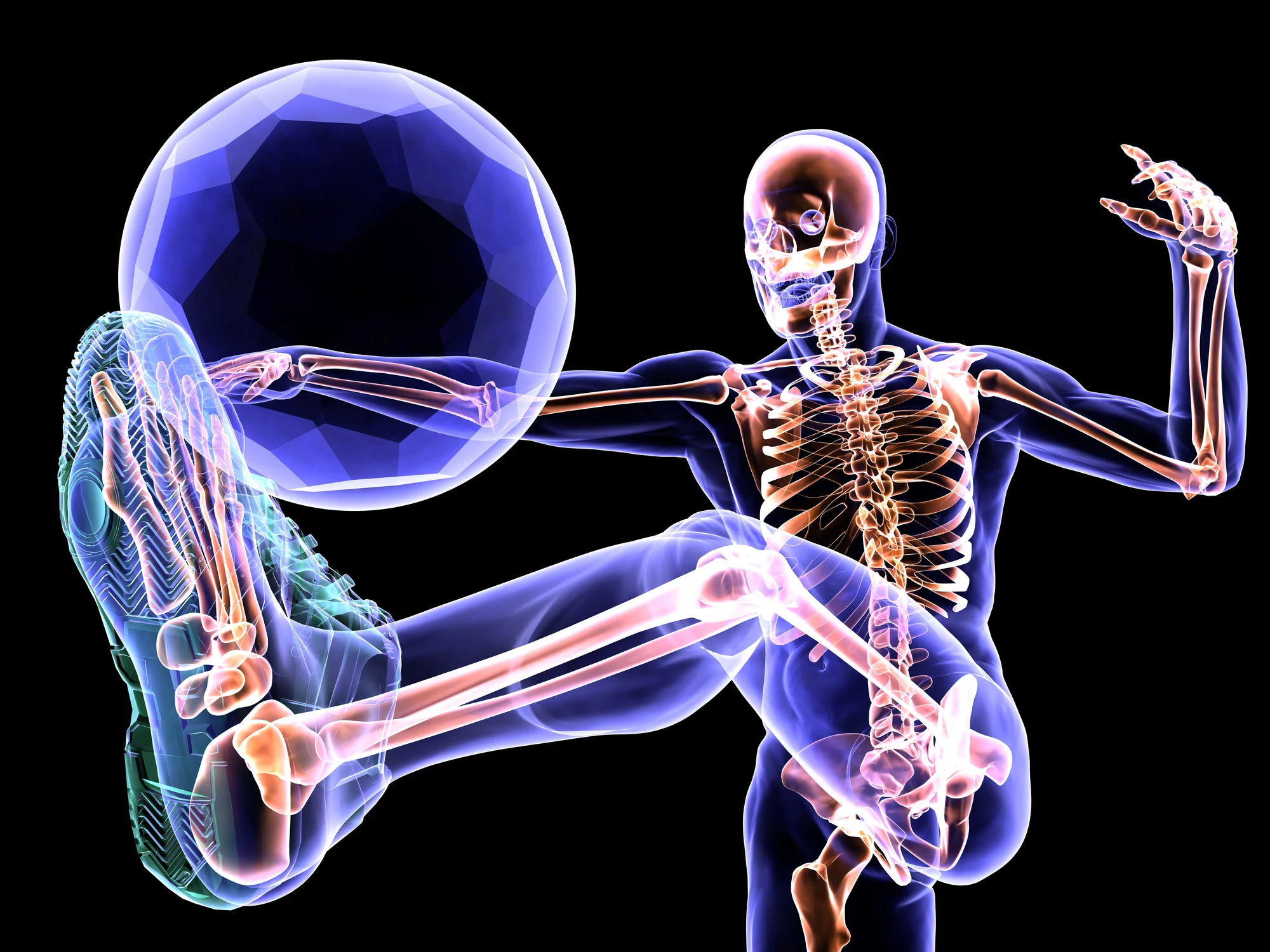
How to actually build core strength
1. Anti-extension exercises
Train your core to resist extension:
- Dead bugs (one of the best core exercises)
- Front planks (proper form, not for time)
- Ab wheel rollouts (advanced)
- Hollow body holds
- Any exercise where you fight your back arching
2. Anti-rotation exercises
Resist rotational forces:
- Pallof press (the king of anti-rotation)
- Bird dogs
- Single-arm carries
- Single-arm rows and presses
- Chops and lifts (controlled)
3. Anti-lateral flexion
- Side planks (static hold and variations)
- Suitcase carries (loaded on one side)
- Single-leg exercises (inherently anti-lateral flexion)
- Waiter carries (weight overhead on one side)
4. Carries (loaded carries)
Some of the best core training:
- Farmer's carry (weight in both hands)
- Suitcase carry (weight in one hand)
- Waiter carry (weight overhead)
- Front-rack carry (weight at chest)
- Carries train your core in a functional, real-world way
5. Proper breathing integration
- 360 degree breathing (ribcage expansion)
- Coordinating breath with bracing
- Diaphragm and pelvic floor coordination
- Your core cannot function properly without proper breathing
Why traditional ab exercises fall short
Crunches and sit-ups: Train spinal flexion (forward bending). Your core rarely needs to do this in real life. Plus, repeated spinal flexion under load can create back problems, especially disc issues. They have their place (sports requiring rotation), but they are overused.
Holding planks for minutes: Once you can hold a plank for 60 seconds with perfect form, holding longer is not making you stronger. It is an endurance test. Progress by making planks harder (adding instability, arm or leg lifts), not longer.
Focusing only on abs: Your six-pack is just one small part of your core. Obsessing over rectus abdominis development while ignoring deeper stabilizers, obliques, and back creates imbalance and dysfunction.
Training core in isolation: Your core works as part of integrated movement. Train it that way. Carries, single-leg work, and compound movements build functional core strength better than isolated ab exercises.
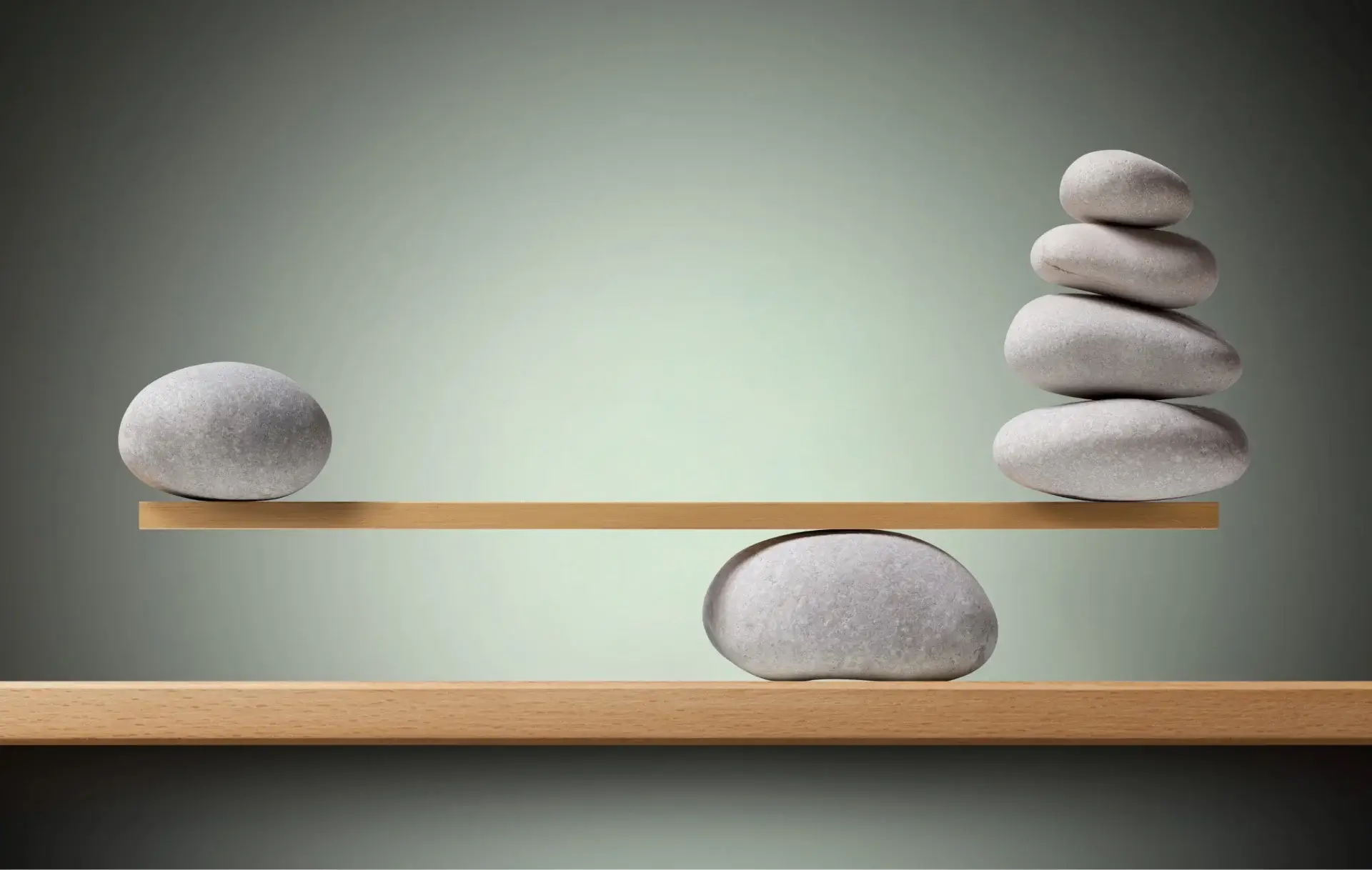
How core weakness shows up
- Chronic lower back pain
- Back arching during overhead pressing
- Inability to maintain neutral spine
- Feeling "weak" in the middle
- Poor posture
- Compensating with back muscles
- Difficulty with single-leg movements
- Loss of power in sports
- Feeling unstable during lifting
- Pelvic floor dysfunction
- Breathing dysfunction
- Hip or SI joint pain
My approach to core development
I do not do traditional ab workouts. We build core function through:
- Addressing fascial restrictions limiting core activation
- Teaching proper breathing mechanics (foundation of core function)
- Anti-extension, anti-rotation, anti-lateral flexion training
- Loaded carries and functional movements
- Integrating core into all movement patterns
- Building strength that transfers to real life
What real core strength looks like
- No more lower back pain
- Better posture naturally
- Stable during all movements
- Transfer force efficiently
- Better athletic performance
- Confidence in your body
- Improved balance
- Functional strength for life
For Santa Cruz active people
Whether you are surfing, lifting, running, or just want to move through life without back pain, real core strength is your foundation. Let's build a core that actually works for you.