Your shoulder hurts, now what?
Pain when you reach overhead. Weakness in your shoulder. Can't sleep on that side. Reaching behind your back hurts. Maybe you got an MRI that said "rotator cuff tear" or "impingement" or "tendinosis." Your doctor said physical therapy or surgery.
You're trying PT. Some exercises help, some make it worse. Progress is slow. You're wondering if you need surgery, or if this is just permanent damage you'll have to live with.
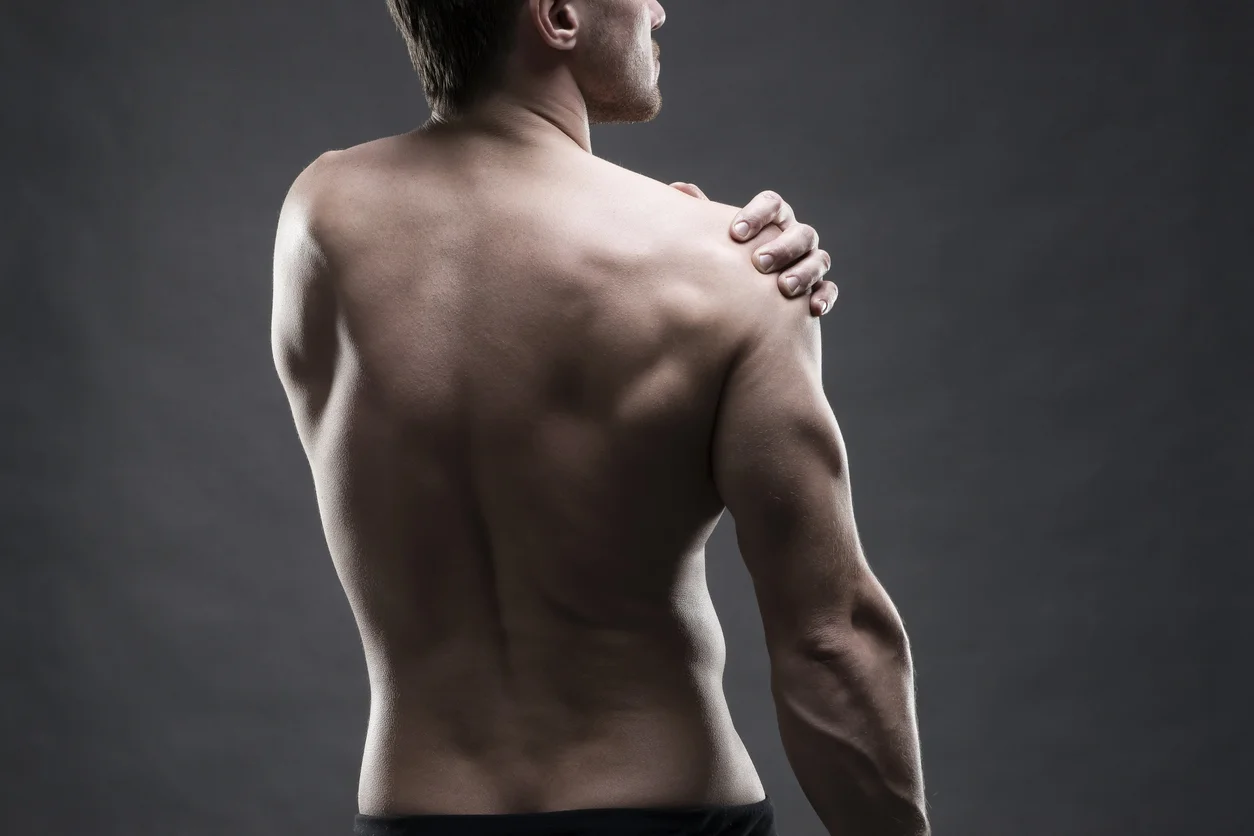
What is your rotator cuff?
Your rotator cuff is a group of four muscles and tendons that surround your shoulder joint. They stabilize your shoulder and control rotation. Together, they're critical for almost all shoulder movements.
- Supraspinatus: Initiates arm abduction (lifting arm to side). Most commonly injured.
- Infraspinatus: External rotation (rotating arm outward). Second most commonly injured.
- Teres Minor: External rotation and stability. Rarely injured alone.
- Subscapularis: Internal rotation (rotating arm inward). Often overlooked but frequently tight.
Types of rotator cuff injuries
Rotator cuff tendinitis and tendinosis
Inflammation or degeneration of the rotator cuff tendons. Often caused by overuse, poor mechanics, or impingement. This is the most common rotator cuff issue and responds very well to conservative treatment.
Shoulder impingement
When your rotator cuff tendons get pinched between bones during overhead movements. Usually caused by poor scapular positioning, tight internal rotators, or weak rotator cuff muscles. Creates a cycle of inflammation and pain.
Partial thickness tear
A partial tear of the tendon. Can be on the top (bursal side) or bottom (articular side). Many partial tears heal with proper rehab. Surgery is usually not needed unless the tear is large or not responding to conservative treatment.
Full thickness tear
Complete tear through the tendon. Small tears may still heal with rehab. Larger tears, especially in younger, active people, may eventually need surgery. But even full thickness tears benefit from conservative treatment first, and many people function fine without surgery.
Rotator cuff strain
Muscle strain without tendon damage. Usually acute injury from lifting, throwing, or sudden movement. Heals relatively quickly with proper care.

Why rotator cuff injuries happen
Poor scapular mechanics: Your shoulder blade (scapula) is the foundation for your rotator cuff. If your scapula doesn't move properly (often because of weak serratus anterior or lower traps), your rotator cuff gets overloaded and pinched. This is the number one cause of chronic rotator cuff issues.
Tight chest and front shoulder: Sitting, desk work, and life pulls you forward. Your chest (pec major and minor) gets tight, your front shoulder (subscapularis) gets tight, and your shoulder joint sits forward in the socket. This creates impingement and overloads the posterior rotator cuff.
Weak rotator cuff: Your rotator cuff muscles might be weak from disuse, poor training, or compensation patterns. When they can't stabilize the shoulder properly, larger muscles (like deltoid) take over, creating poor mechanics and injury.
Overuse without proper strength: Repetitive overhead activity (throwing, swimming, overhead pressing) without adequate rotator cuff strength creates wear and tear that eventually breaks down the tendons.
Age and degeneration: Rotator cuff tendons naturally degenerate with age. By 60, many people have some degree of rotator cuff wear or small tears, even without symptoms. This is why proper mechanics and strength become even more critical as you age.
My approach to rotator cuff recovery
1. Release what's tight
Through Structural Integration:
- Deep work on chronically tight chest (pec major and minor)
- Release subscapularis (often very tight and limiting)
- Address tight lats pulling the shoulder down and back
- Free up fascial restrictions around entire shoulder complex
- Work the neck and upper back (connected to shoulder function)
2. Fix scapular mechanics
Your shoulder blade must move properly:
- Strengthen serratus anterior (critical for scapular stability)
- Build lower and mid trap strength
- Reduce upper trap dominance
- Teach proper scapular positioning and movement
- Integrate scapular control into functional movements
3. Strengthen the rotator cuff properly
Progressive, intelligent strengthening:
- Start with isometrics (no movement, just tension)
- Progress to light resistance rotational work
- Build endurance first, then strength
- Address all four rotator cuff muscles
- Integrate into functional patterns
- Progress to overhead movements when ready
4. Restore full function
- Improve shoulder mobility in all planes
- Rebuild confidence in the shoulder
- Return to activities you love
- Prevent re-injury through proper mechanics

Do you need surgery?
Studies show that many partial tears and even some full thickness tears respond well to conservative treatment. Surgery should be considered if:
- Large or massive tear (especially in younger, active people)
- Significant weakness that doesn't improve with rehab
- Acute traumatic tear (sudden, complete tear from injury)
- Failed conservative treatment (6+ months of proper rehab)
Even if you eventually need surgery, pre-hab (strengthening before surgery) improves outcomes. Starting with conservative treatment is almost always the right move.
If you've already had surgery, comprehensive bodywork and proper strengthening are critical for full recovery and preventing issues on the other side.
Recovery timeline
Tendinitis or impingement: 6 to 12 weeks with proper treatment.
Partial tear: 3 to 6 months for significant improvement.
Full thickness tear (conservative): 6 to 12 months to maximize function.
Post-surgery: 6 to 12 months for full recovery.
What recovery looks like
- Pain-free overhead reaching
- Full shoulder strength restored
- Sleep comfortably on that side
- Return to throwing, lifting, swimming
- Better shoulder mechanics
- Reduced risk of re-injury
- Confidence in your shoulder
- No limitations in daily activities
For Santa Cruz active people
Whether you're a surfer, swimmer, climber, or just someone who wants their shoulder to work properly, rotator cuff injuries don't have to be permanent. With the right combination of hands-on work and intelligent strengthening, most people make full recoveries. Let's get your shoulder back.