Ukraine volunteer work
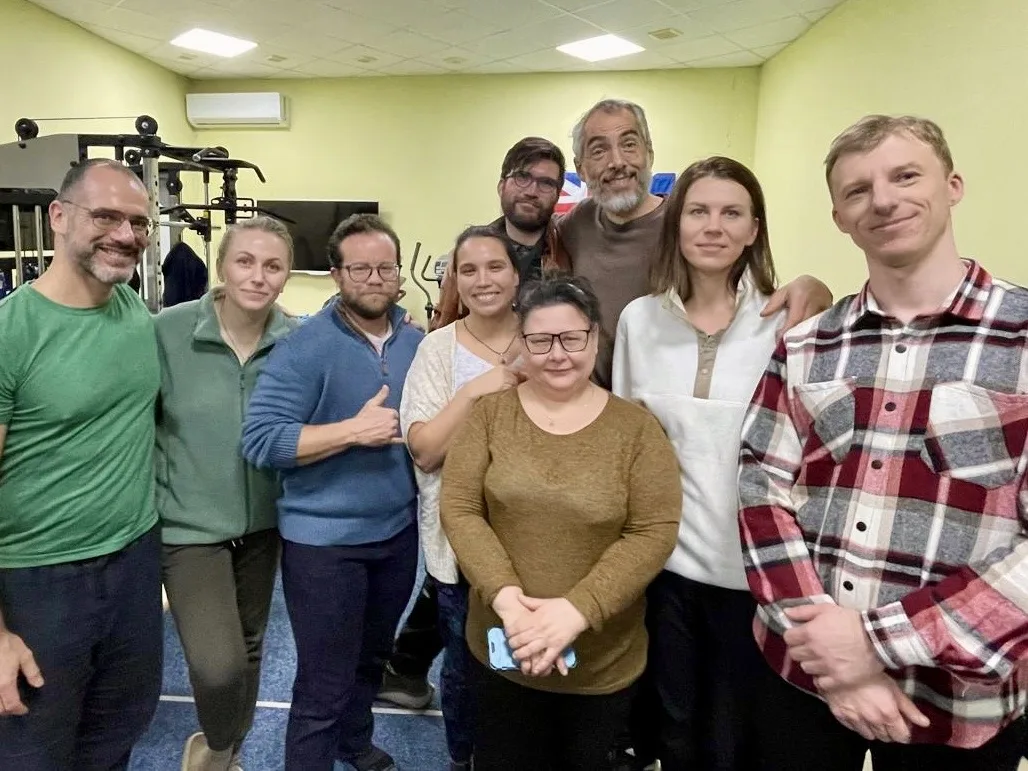
Some experiences change the way you see your work. Volunteering in Ukraine did that for me. Twice I traveled to work alongside Sharon Wheeler and her team, bringing ScarWork to combat veterans living with amputations, scar tissue, and the physical aftermath of war.
It was the hardest and most meaningful work I have ever done.
What started as a desire to be useful became a profound education in what the human body can endure, what skilled touch can offer, and what it means to truly show up for another person.
The work
The veterans we worked with carried injuries that most practitioners will never encounter: traumatic amputations from combat, extensive scar tissue around surgical sites, limbs adapted to prosthetics, and bodies reorganized around loss. Every session required a different approach.
We provided hands-on ScarWork focused on the tissue around amputation sites, helping to restore mobility and reduce pain where scar tissue had locked down. We adapted techniques for bodies that now interfaced with prosthetics daily, working to improve fit, comfort, and function.
The conditions were austere. There was no heated studio, no ideal setup. You work with what you have, and you make it count. That constraint turned out to be one of the greatest teachers.
Working with Sharon Wheeler
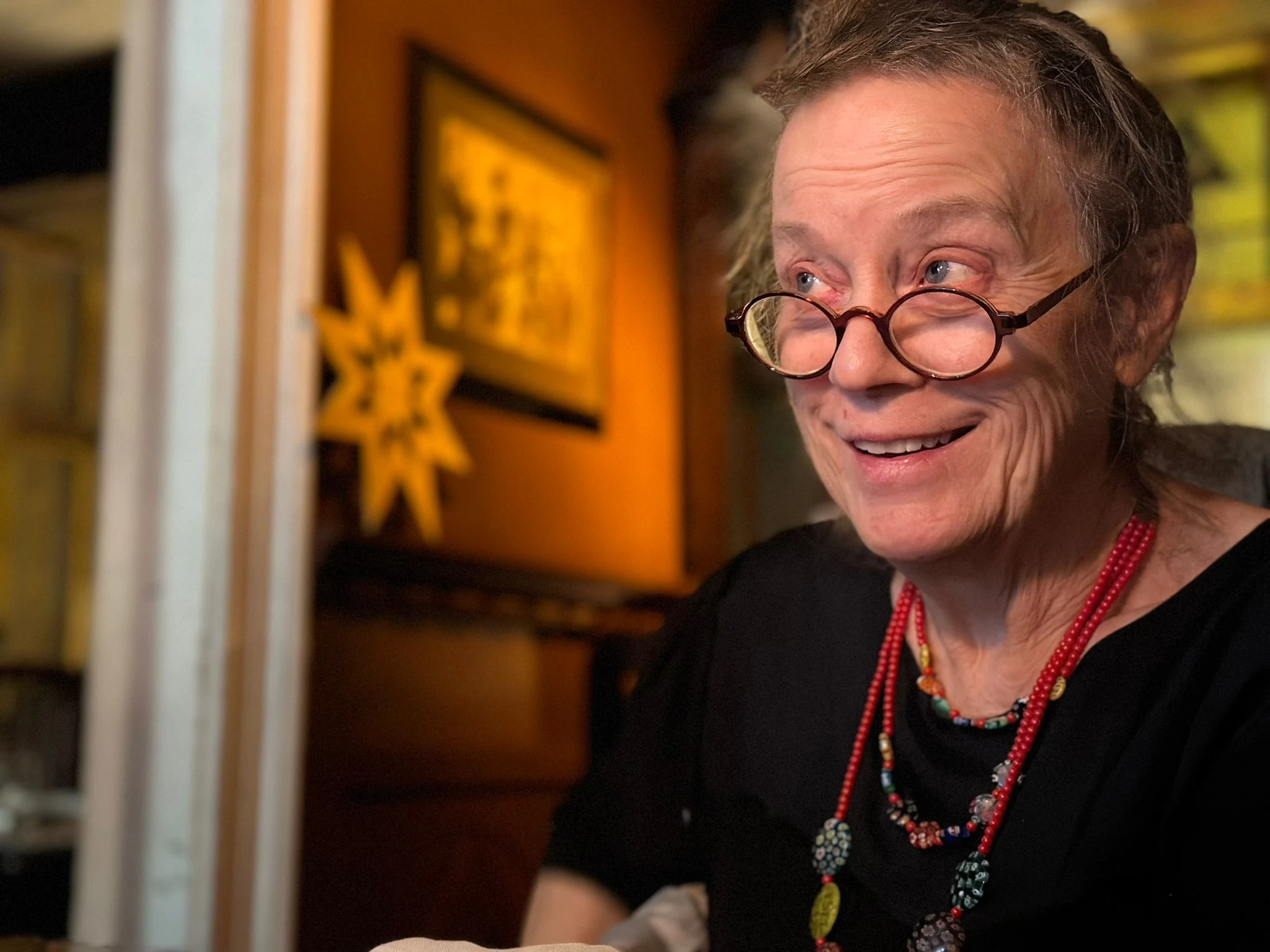
Sharon Wheeler studied directly with Ida Rolf and developed ScarWork, a specialized approach to scar tissue that is unlike anything else in the field. Working alongside her in Ukraine was like getting a masterclass in what this work can be at its highest level.
Sharon's ability to read tissue, to feel what is happening beneath the surface, and to adapt in real time is extraordinary. Watching her work on veterans with devastating injuries, with calm hands and total presence, showed me what decades of devoted practice looks like.
The partnership with Sharon's team gave me access to approaches and thinking I could not have developed on my own. It deepened my ScarWork skills, sharpened my clinical reasoning, and expanded my understanding of what this work can accomplish when applied to the most challenging cases.
What I learned
Five lessons from volunteering in Ukraine, shared in my Anatomy Trains webinar "Being of Service: Taking Your Practice Into the World".
Show up
You don't need to be perfect. You don't need every answer. You need to be present, willing, and ready to work. Showing up is the first and most important step.
Adapt your tools
A body with a combat amputation is not the body from your textbook. Techniques that work in a comfortable Santa Cruz studio need rethinking when the tissue, the trauma, and the conditions are completely different.
Radical empathy over technical perfection
The most important thing I brought into every session wasn't a technique. It was the willingness to meet each veteran exactly where they were, physically and emotionally, without agenda.
Self-care for practitioners
You cannot pour from an empty cup. Working in austere conditions with people carrying deep trauma demands that you take care of yourself so you can keep showing up for others.
The work changes you
You go in thinking you are there to help. You come back changed. The courage and resilience of these veterans reshaped how I understand the human body and what it can endure.
Impact on my practice
Ukraine changed how I work with every client who walks into my Santa Cruz studio. When you have held the limb of a veteran who lost it in combat, you approach a desk worker's shoulder tension with a different quality of attention.
My scar tissue work is sharper. My ability to adapt techniques to unusual presentations is stronger. My capacity to be present with discomfort, both the client's and my own, is deeper. These are not things you learn from a textbook.
Most importantly, Ukraine reinforced that this work is not just a service you sell. It is a skill that can change lives. Every session I do now carries that understanding.
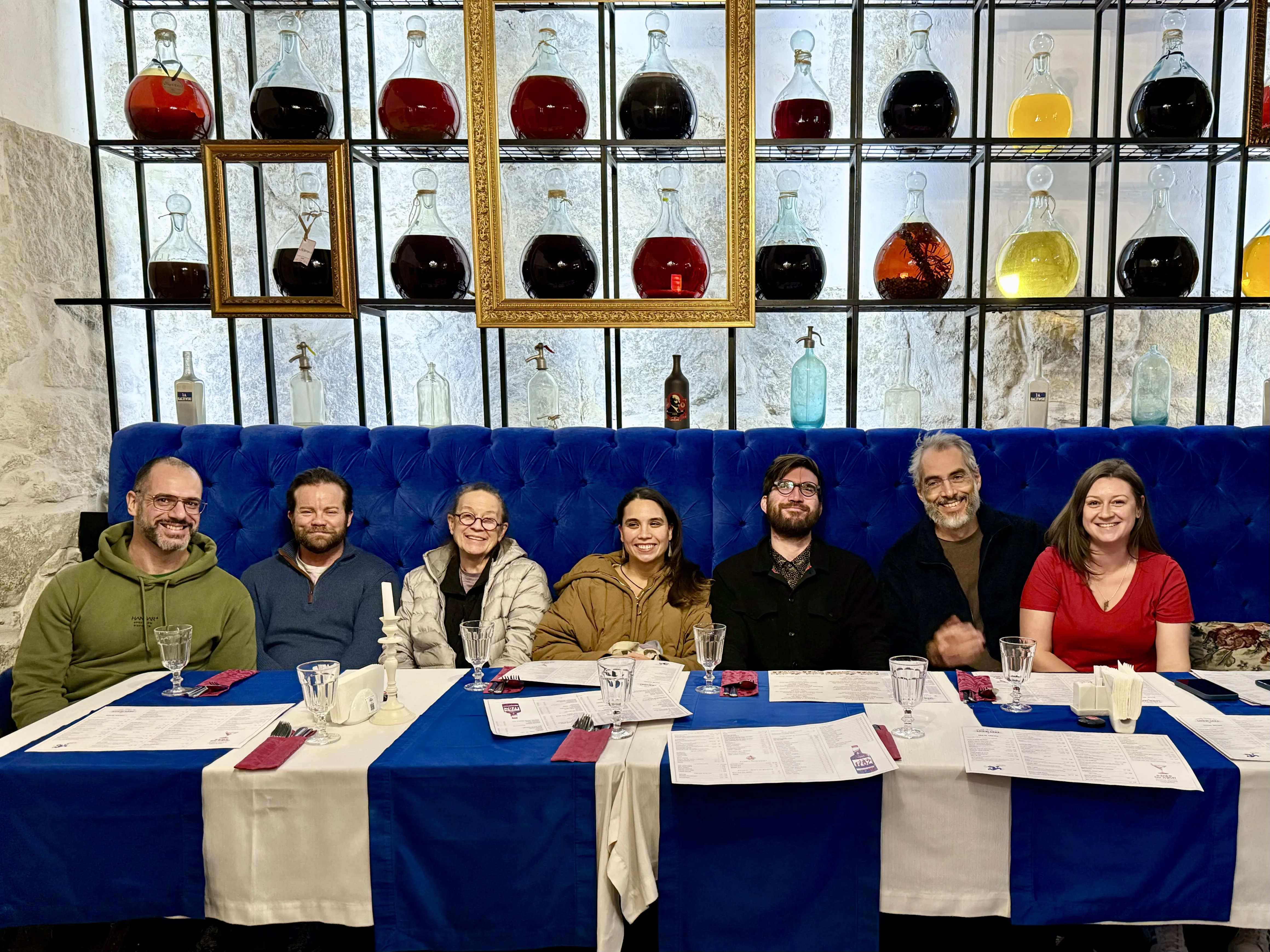
Being of Service webinar
I presented a webinar for Anatomy Trains called "Being of Service: Taking Your Practice Into the World", sharing the five lessons above and what I learned from volunteering in Ukraine.
Read more in the blog posts below.

Read more
- Working on Combat Veterans in Ukraine. What it was like to provide hands-on ScarWork for veterans with combat injuries and amputations.
- Being of Service: Structural Integration in the World. Reflections on taking your practice beyond the studio and into the places where it is needed most.
- Radical Empathy: Lessons from Ukraine. Why empathy, not technique, became the most powerful tool in my work with combat veterans.
- Why I Volunteer: Structural Integration as Service. The personal and professional reasons behind volunteering my skills where they can make the greatest difference.
The same attention, skill, and presence I bring to volunteer work in Ukraine is what I bring to every session in Santa Cruz. If you are ready for work that goes deeper, let's talk.