Why prepare now
There is a quiet stretch every year before the bigger swells fill in. Smaller days, shorter sessions, less pressure on the body. That is the window. The surfers who use it walk into the season strong, and the ones who do not spend the first month of good waves sore and playing catch-up. The work you do before the volume ramps is what decides which of those two you are.
The honest version is simple. Surfing keeps you surf-fit, but it also drives the same restrictions deeper season after season. The off weeks are your chance to undo some of that and add to it, so the first real swell feels like an upgrade instead of a beating.
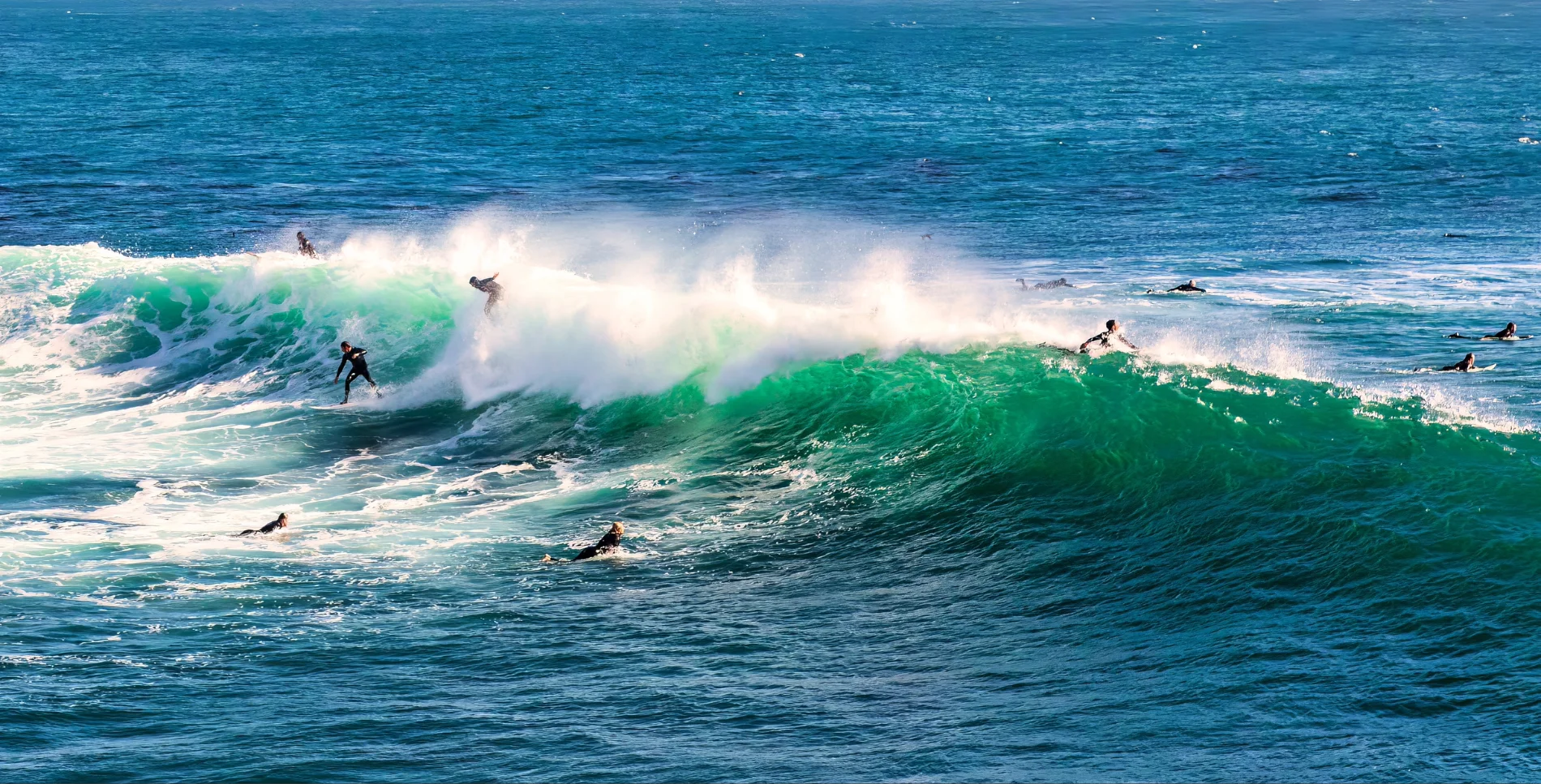
What surfing actually asks of the body
Strip the wave down and the demands are specific. The shoulder has to reach and pull through thousands of paddle strokes. The thoracic spine has to rotate so the bottom turns and cutbacks come from the right place. The hips have to fire explosively to drive the pop-up. And all of it has to hold up over a long cold session without falling apart.
Most surfers are limited by a short list of the same things. A stiff upper back that will not rotate. A shoulder that has lost its glide. Hip flexors locked short from hours in the prone position. Core endurance that fades before the session does. Train those directly and the wave starts to feel like it has more room in it.
The path: training and structural prep
Pre-season work runs on two tracks at once, and that combination is the whole point. On the training side, we build the qualities the season demands.
- Thoracic mobility and rotation. The upper back is where surfers lose the most. Free it up and the paddle stroke lengthens, the turns come from the trunk instead of the low back, and the neck stops paying for it.
- Paddle endurance and shoulder durability. We build the scapular control and the cuff timing that let the shoulder absorb high paddle volume, so the joint is doing its job instead of grinding. Endurance over max, because paddling is an endurance demand.
- Pop-up power and hip drive. The pop-up should come from the hips, not the arms. We train explosive hip extension and the sequencing that gets you to your feet a half-second sooner, which is the difference between making the drop and watching it go.
- Core endurance. The sustained kind that holds your position through a long session, not the kind that looks good for one rep.
On the structural side, a reset before the volume ramps. Structural integration reorganizes the fascial lines that the paddle pattern and the prone position keep shortening, so the mobility you are training has somewhere to live. Training builds capacity. The structural work makes sure you are building it on a body that is organized to use it, not on top of an old restriction. Most practitioners do one or the other. I do both, and for pre-season that is exactly the combination that pays off.

What a pre-season assessment looks like
We start with a free movement assessment. I watch you go through the patterns that matter, a simulated paddle, a pop-up, a basic rotational turn, and I put hands on the tissue to feel where it is actually restricted. By the end I can tell you what is between you and the season you want, and whether the answer is mostly training, mostly structural work, or a blend of both.
If you want the deeper read, a Body Systems Check is the full version: a longer appointment that maps your posture, your movement, and your compensations, and sends you out with a concrete plan for the weeks before the swell. Either way you leave knowing exactly what to work on.
Why work with me
Most people in this field do one thing. A bodyworker frees tissue. A trainer builds strength. I do both, and that is the difference. I am certified in Anatomy Trains Structural Integration with more than 750 hours of training, I am a teacher-in-training under Tom Myers, and I am a NASM certified personal trainer and corrective exercise specialist. I have spent time in the dissection lab learning how fascia actually connects, so the map I work from is the real one.
That means I can reorganize your structure with hands-on work and then teach your body to hold the change with coached movement. Studio in Santa Cruz, mobile sessions across the Bay Area. Direct, honest, and built around what your body actually needs instead of a template.
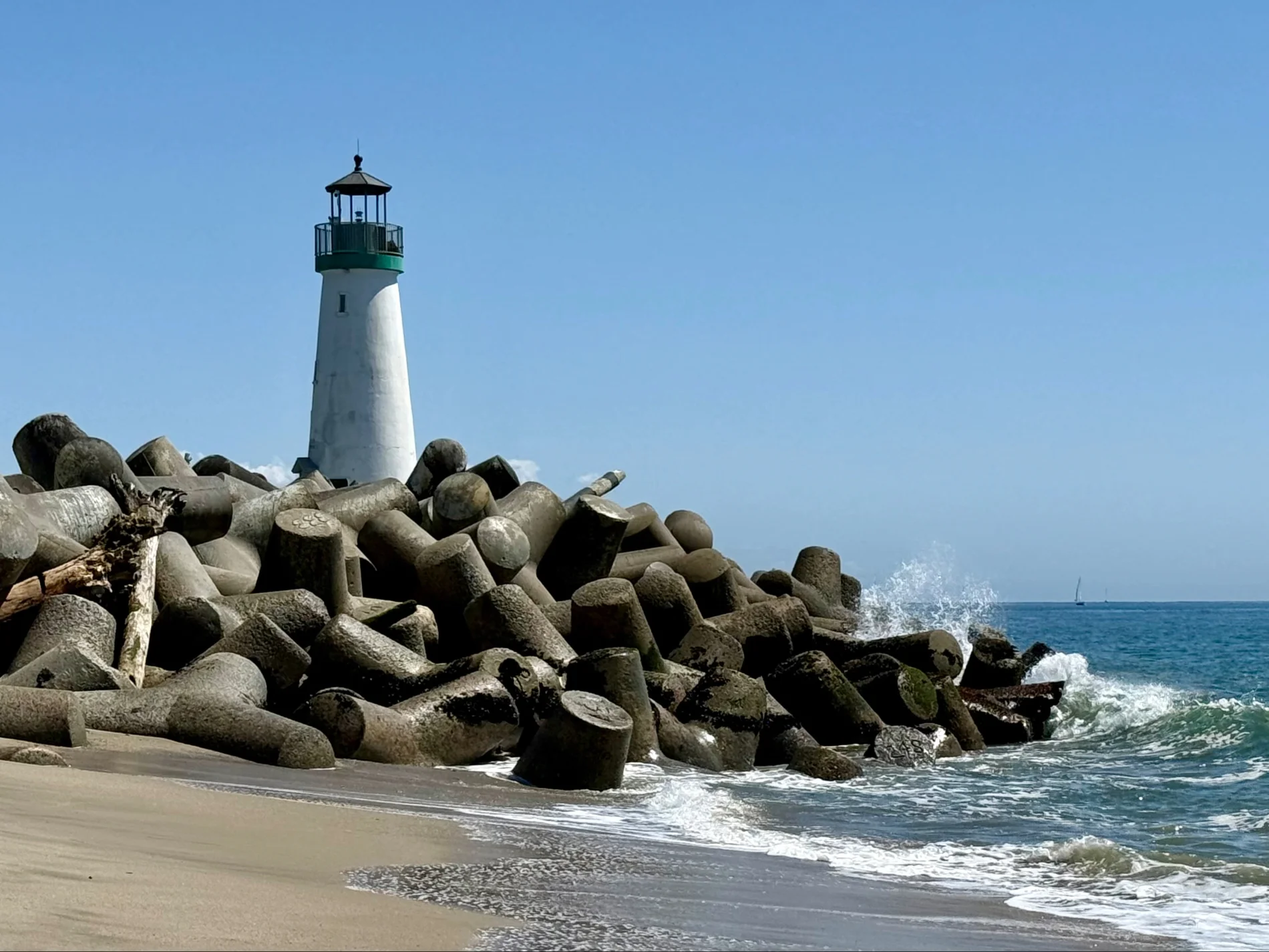
Get ready before the swell
The work is more useful now than it will be in the middle of the season. Come in, let me see how you move, and we will figure out the shortest path to a body that is ready when the waves are.
Questions, answered
When should I start pre-season surf training?
As soon as your volume is low. The more lead time you give yourself, the more the work compounds, so the first real session of the season feels like a step up instead of a wake-up call. If you only have a few weeks, start now and we prioritize.
I already surf a lot. Do I really need to train on land?
Surfing keeps you surf-fit, but it also drills the same restrictions deeper. The paddle pattern shortens the front of the shoulder. The prone position locks the hip flexors. Land work is where you build the mobility and the strength the water keeps taking from you. Think of it as the maintenance the sport itself will not do for you.
What does the structural reset add on top of training?
Training builds capacity on the structure you already have. If that structure has a locked thoracic spine or a shortened front line, you are building strength on a restriction. The structural work reorganizes the tissue first so the strength has somewhere good to land. Most people do one or the other. Doing both is the point.
Can I keep surfing while we do the pre-season work?
Yes. Most clients surf right through it. We just time the deeper structural sessions so they do not land the day before a good swell, and we build the training around what your week actually looks like.
How long before I feel it in the water?
Most surfers notice the paddle feels different inside the first few sessions, usually the shoulder sitting better and the rotation coming easier. Pop-up power and endurance build over a few weeks of consistent work. The point of starting before the season is that the change is in place when the waves are.