The post-PT gap nobody warns you about
Physical therapy has one job, and it does it well: take an injured structure and heal it to the point where it is safe again. When your PT clears you, that job is done. The tissue has knit, the inflammation has settled, the basic movement is back.
Rehab ends before readiness begins. That is not a knock on PT. It is just where the lanes divide. A clinic rebuilds you to the standard of normal daily life and basic function. Surf demands something far above that line: explosive pop-ups off the deck, sustained hard paddling, absorbing awkward landings, and reading shifting water with a body you trust without thinking about it. Most people fall into that gap. They get the green light, paddle out cold, and either feel tentative and useless or tweak something and start over.
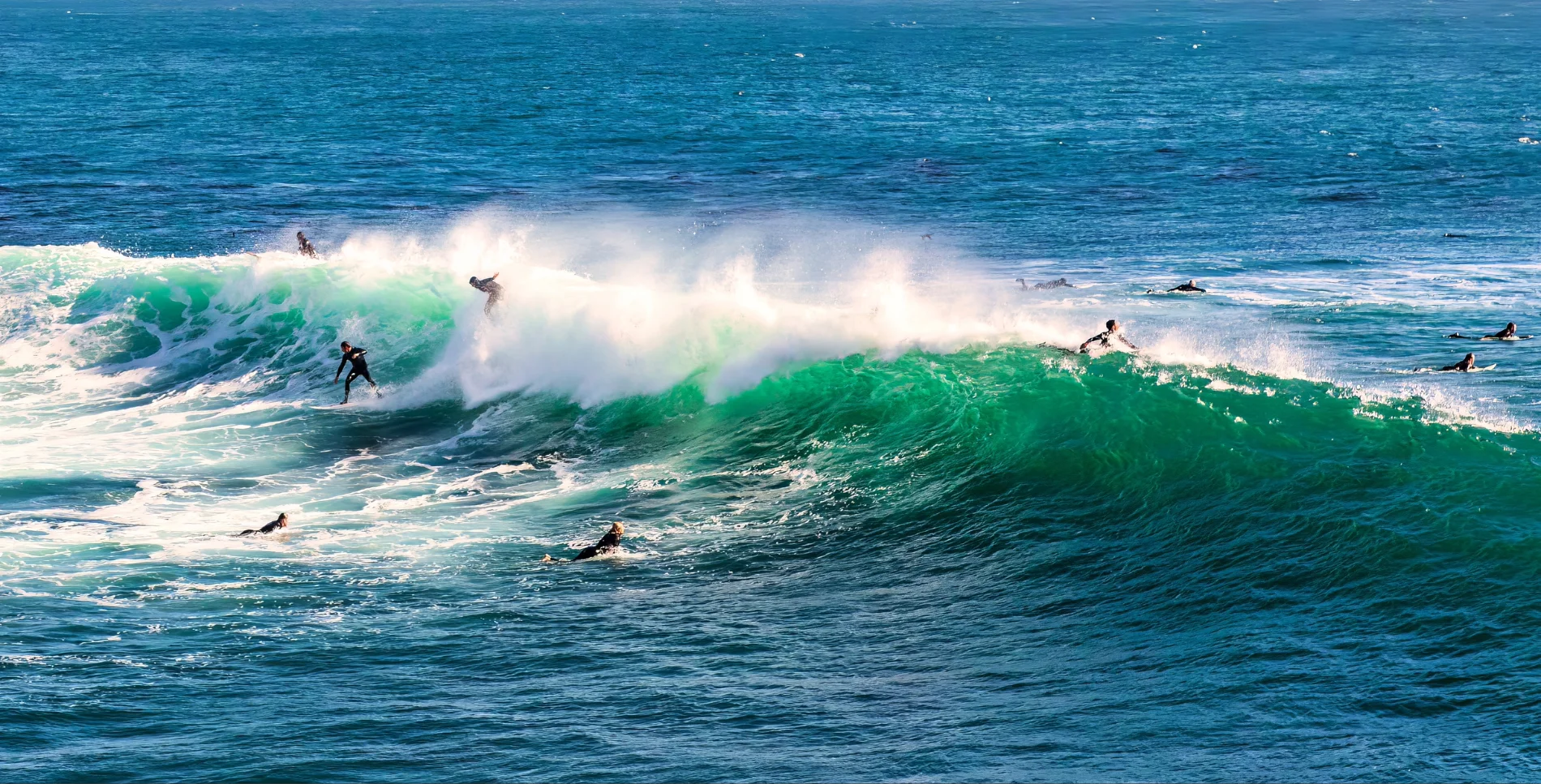
Why jumping straight back does not work
The instinct after a clearance is to paddle right back out and pick up where you left off. Two things make that backfire. First, you lost capacity you cannot feel on land. Time off and time in rehab quietly drain the specific strength, tendon tolerance, and conditioning that surf requires, and walking around pain-free hides it completely. The deficit only shows up when the water asks for the thing you have not trained.
Second, your nervous system has a memory. The movement that hurt you is now flagged as a threat, so the body guards it. That guarding reads as hesitation, a half-second of doubt at exactly the moment you need to commit. You feel it as being tentative. It is real, it is protective, and it does not clear up on its own. You have to retrain it deliberately. Will alone does not turn the flag off.
What guided return-to-sport training looks like
The work has a clear job: take you from cleared to genuinely ready, on a ramp that builds you up instead of throwing you back in. It runs on a few principles.
- Rebuild the specific patterns. We train the actual movements surf demands. The pop-up, the paddle, the load-and-explode, the landing. General fitness does not transfer to these. We coach the patterns themselves so the capacity you build is the capacity you use.
- Restore load tolerance gradually. Tissue gets stronger by handling more, a little at a time. We rebuild how much your body can take through graded exposure, adding load in controlled doses so the structure adapts instead of getting ambushed.
- Rebuild confidence on purpose. We load the exact patterns that worry you, in measured amounts, until the movement feels like yours again. Confidence is not a pep talk. It is earned reps that prove to your nervous system the movement is safe.
The full approach lives on the movement training page, and you can see how I handle comebacks on the injury recovery page.

Where structural work supports the comeback
Training leads a return to sport. Hands-on structural integration supports it. Around any injury the body builds compensations: it guards, it stiffens, it shifts load onto the other side and the surrounding tissue. Those patterns linger long after the injury heals and quietly pull you out of position. Structural work clears them so your training is not fighting old protective habits. To be clear, this complements your medical care, it does not replace it. If you are still in active rehab or something is acutely wrong, stay with your PT. I pick up after you are cleared.
Why work with me
Most people in this field do one thing. A bodyworker frees tissue. A trainer builds strength. I do both, and that is the difference. I am certified in Anatomy Trains Structural Integration with more than 750 hours of training, I am a teacher-in-training under Tom Myers, and I am a NASM certified personal trainer and corrective exercise specialist. I have spent time in the dissection lab learning how fascia actually connects, so the map I work from is the real one.
That means I can reorganize your structure with hands-on work and then teach your body to hold the change with coached movement. Studio in Santa Cruz, mobile sessions across the Bay Area. Direct, honest, and built around what your body actually needs instead of a template.
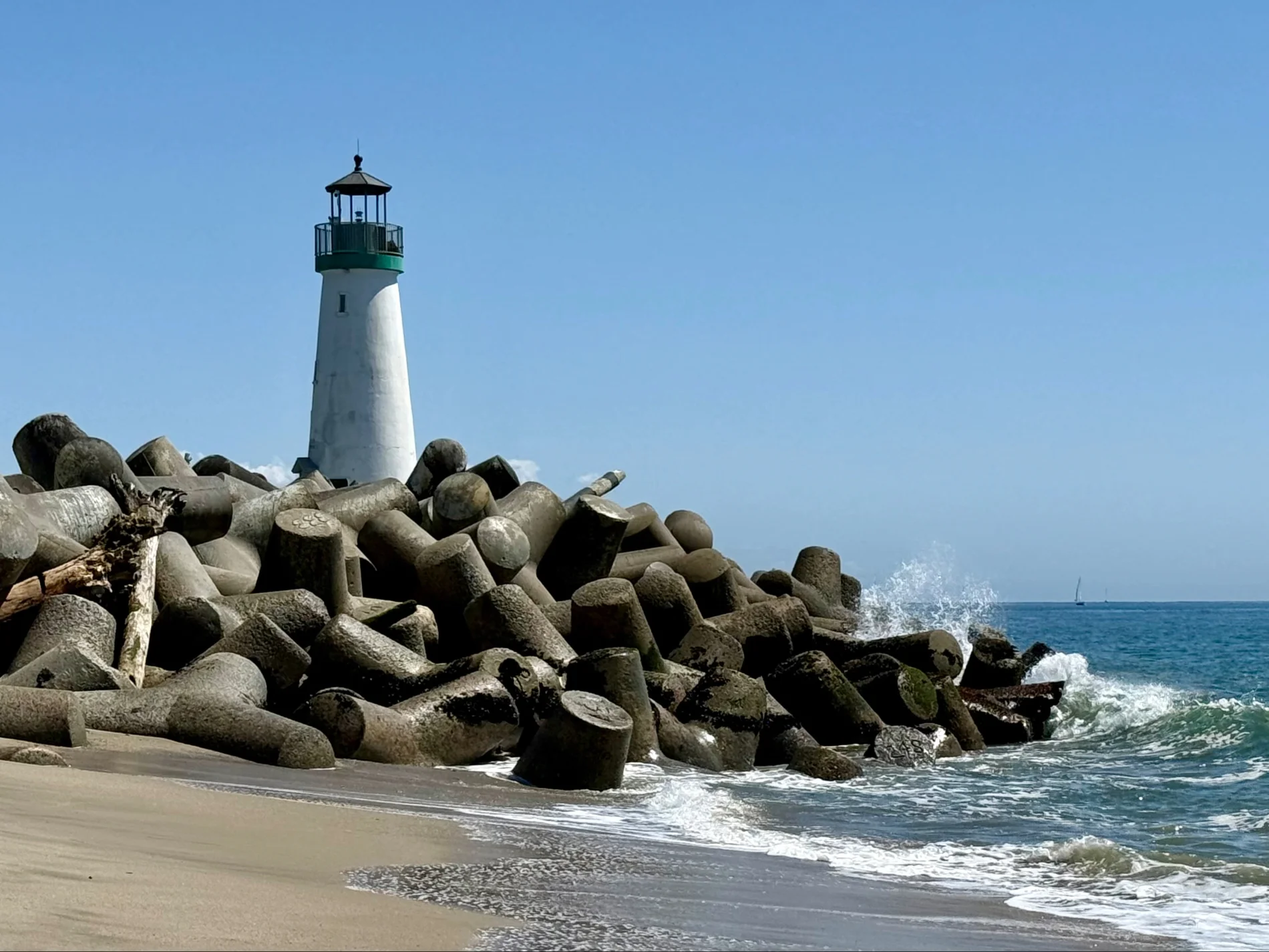
Get back in the water on your terms
Bring me where your PT left off and where you want to be. I will assess what you actually lost and build the ramp that gets you back to surf you trust.
Questions, answered
My PT cleared me. Why do I need anything else?
Being cleared means the injury has healed enough to stop formal rehab. It does not mean your body is ready for the specific demands of surf: explosive pop-ups, hard paddling, awkward landings, and reading chaos in real time. PT closes the medical gap. Return-to-sport training closes the performance gap between healed and ready.
Are you replacing my physical therapist?
No. I complement a PT, I do not replace one. If you do not have a PT and you need one, I will say so.
How long does the return-to-sport process take?
It depends on the injury, how long you were out, and how much surf-specific capacity you lost. Some people need a few weeks to rebuild confidence and load tolerance. Others want a longer runway. I build it around your tissue and your timeline, not a fixed program, so you come back when your body is actually ready.
I feel fine on land. Why do I still feel tentative in the water?
Because surf asks for things land never tests. Tentative is usually a mix of two things: capacity you have not rebuilt yet, and a nervous system that still flags the movement that hurt you. We rebuild both.
Can structural work help my comeback, or is this only training?
Both have a role. The training rebuilds capacity, control, and confidence in the water. Hands-on structural work supports it by clearing the compensations that stack up around an injury, the guarding and the stiffness that pull you out of position. The training leads. The structural work removes the speed bumps.
Will pushing the patterns that scare me reinjure me?
Not when it is built right. The whole point of guided return-to-sport is graded exposure: we load the worrying patterns in controlled doses so the tissue and the nervous system adapt instead of getting ambushed. Rushing back cold is what reinjures people. A planned ramp is how you avoid it.